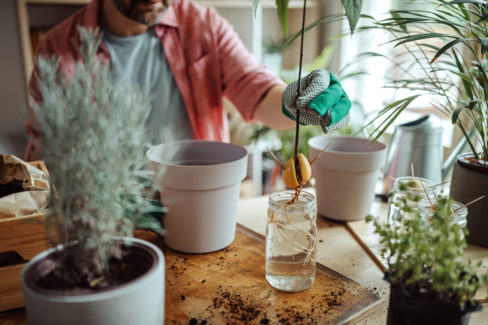
Growing your own avocado plant is such a fun project! If you move your seedling into a large pot, you’ll soon be rewarded with a massive, impressive indoor tree. Here are my favorite tips and tricks to get you started.
A Little Botany
Avocados are native to the tropical rainforests of Central America, but you’ll also find them thriving in New Zealand, Australia, and South Africa. They’ve even been grown commercially in Spain since the 20th century. In Mexico, avocados have always grown wild in the forests, reaching heights of up to 65 feet! They belong to the laurel family, and believe it or not, the fruit is technically a berry. It usually takes 6 to 10 years for a tree to bloom, producing fruit that can weigh anywhere from 10 ounces to over 2 pounds.
The Best Time to Plant
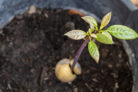
If you started sprouting a pit in late winter, it should be ready for its first pot by April. The key is to wait until you see a healthy root system in your jar or starter pot. You’ll also want to see about 4 to 6 true leaves growing above the initial seed leaves.
Planting Your Avocado
Since avocados aren’t frost-hardy, I definitely recommend keeping them in a pot or container. You can move them out to the garden during the summer, but they must come back inside to a frost-free spot once autumn hits.
Step-by-Step Guide
- Carefully remove your seedling from its water jar.
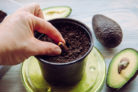
- Add some high-quality potting soil to a 6-to-8-inch pot and place your plant inside.
- Fill in the space around the roots with more soil. Gently tap the pot on the table as you go to help the soil settle in between the roots.
- Press the soil down firmly with your fingers and fill the pot up to the rim.
- Give your plant a good drink of water and place a small stake next to the stem. You can loosely tie the avocado to the stake for extra support.
Location and Care
Avocados love warmth, so find a cozy, sunny spot for your pot. A bright windowsill or a greenhouse is perfect.
To keep spider mites at bay, try misting your plant with lukewarm water. These pests love to show up in the winter when the air is dry.
You don’t need to worry about fertilizer for the first few months; the pit itself stores enough nutrients to get the plant started.
Once your plant is about six months old, you should start fertilizing every 2-3 weeks during the growing season (April to September) to keep it happy. A liquid fertilizer works best.
If you want a bushy plant rather than a tall, spindly one, don’t forget to prune it ! Spring is the best time for a trim. Without pruning, you’ll likely end up with one very long, thin stalk.
The Blooms
While an avocado tree can hit 65 feet in the wild, it’ll never reach that size in our climate. Usually, it takes 6-10 years to see any flowers. If you buy a grafted tree from a nursery, you might see blossoms in just 2-4 years. Even then, you usually need two different plants to ensure pollination. While harvesting your own homegrown avocados is a bit of a long shot, these plants are still stunning and totally worth the effort!
Winter Care
Avocados can be a bit picky about their winter home . A temperature of around 60°F (15°C) is ideal—a sunroom or bright enclosed porch is perfect. They still need plenty of light and regular (but not excessive) watering. Stop fertilizing completely during the winter; otherwise, the plant will get “leggy” trying to grow too fast in low light.
Pro Tip: If you don’t have a good spot to keep your tree safe from the cold, some local nurseries offer winter boarding services for tropical plants!