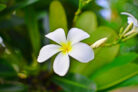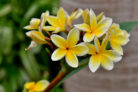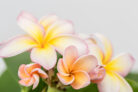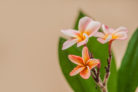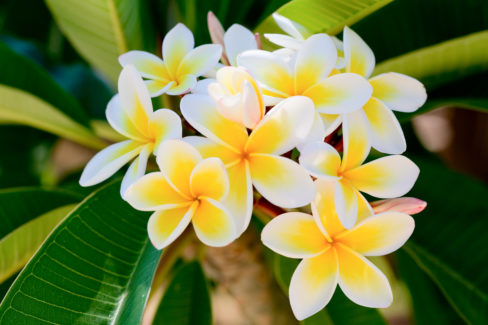
Growing your own Frangipani (also known as Plumeria) isn’t exactly rocket science, but it does take a little bit of a green thumb and a whole lot of patience! To get those iconic, fragrant blooms, you really need to get the environment just right.
Propagation Methods
If you’re looking to start your own Plumeria collection, you’ve got two main ways to go about it:
- Starting from seeds
- Growing from cuttings
Starting from Seeds
Growing a Plumeria from a seed is actually pretty straightforward. The real “wild card” is whether—and when—the plant will actually bloom. Generally speaking, you should settle in for the long haul; it usually takes about five years for a seedling to flower for the first time. Some late bloomers might take eight to ten years, and in some cases, they might not bloom at all.
Sowing and Care
Since getting them to bloom can be a bit tricky, you want to give your seeds the best possible head start. I recommend using a potting mix that’s a blend of perlite and either:
- Specialized Frangipani soil, or
- High-quality cactus mix
A pot with a 5- or 6-inch diameter is perfect to start. Just keep in mind that if you sow multiple seeds in one pot, you’ll need to transplant them into their own homes once they get established.
**Sowing
Push the bottom part of the seed about an inch (roughly 30mm) into the soil. Give it just a tiny bit of water—don’t soak it!—and place it somewhere very warm.
Now, don’t get impatient: germination usually takes at least ten days, but it can sometimes take up to three weeks.
**Care
While you’re waiting for those sprouts, your Plumeria needs very little water, though you shouldn’t let the soil go bone-dry. Once you see the first “true” leaves appear (those are the ones that come after the initial seed leaves), you can start watering them like a normal plant.
Growing from Cuttings
You can take your own cuttings from an existing plant or buy them from a nursery. The most important rule here? Don’t put that cutting in a pot until the cut end has completely calloused over and hardened. Once it’s ready, you can plant it in:
- A mix of perlite, coconut coir, and cactus soil
- Pure horticultural perlite
- Bird sand (fine grit)
The Right Spot
Location is everything when it comes to rooting a cutting. To be successful, you need to provide:
- A consistent temperature of at least 77°F (25°C)
- Humidity levels of around 90%
Care
Until the cutting has established a solid root system, keep the soil just barely moist. You want to avoid rot at all costs, but don’t let it dry out completely. Once those roots have formed, you can treat it just like a mature Plumeria!