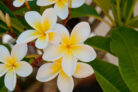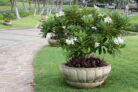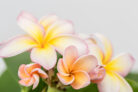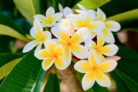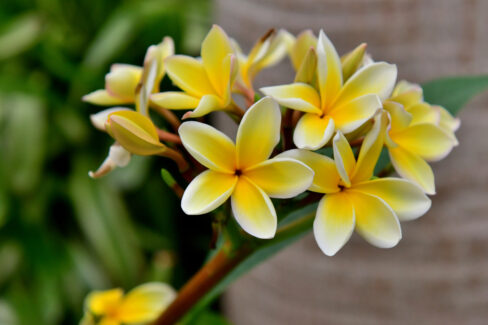
Frangipani, also known as Plumeria, is famous for those stunning, fragrant blooms that make you feel like you’re on a tropical vacation. It’s no wonder so many of us want to grow more of them! Just a heads-up, though: if you want a new plant with the exact same flower color as your current one, you’ll need to grow it from a cutting or hand-pollinate the flowers yourself.
Propagation
In our neck of the woods, there are two main ways to propagate Plumeria:
- Using cuttings
- Growing from seeds
Cuttings
Propagating with cuttings is pretty straightforward and doesn’t require a ton of patience. Plus, the best part is that you can take cuttings right from your own plant. The ideal time to do this is when the plant is in its peak growing season. This way, the cutting carries over all that “mother plant energy,” giving it a great head start.
When you’re ready to make the cut, keep these tips in mind:
- Aim for a length of about 8 to 10 inches.
- Only cut in the “gray” (more mature) area of the stem.
- Try to pick a tip that is already starting to branch out.
- Only take cuttings from healthy, vibrant mother plants.
Once you’ve taken your cutting, it’s time to get those roots growing. Stick it into some specialized Plumeria soil or even just plain garden perlite. The golden rule here? Go very easy on the water. Even a tiny bit too much can cause the cutting to rot, and all your hard work will go down the drain.
Once the cutting has established roots, you can move it to a larger pot. As soon as it has grown more than four leaves, you can start treating it just like a grown-up Plumeria.
Seeds
Growing Plumeria from seeds is definitely a labor of love. For starters, it can take five to six years before you see your first bloom. You’ll also likely need to buy your seeds, as Frangipani rarely produces seed pods outside of the tropics. This is because the specific butterflies needed to pollinate them aren’t native to cooler climates.
Planting the Seeds
Once you’ve sourced some seeds from a reputable grower, tuck the bottom part of the seed into a pot filled with specialized Plumeria soil. Give them a very light misting of water and cover the pots with a clear plastic dome or bag to keep the humidity in.
Care
Until those seeds sprout into little seedlings, they need very little water. Once they’ve developed four leaves, you can move your young Plumerias into larger pots. From that point on, you can care for them just like your mature plants.