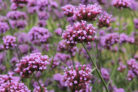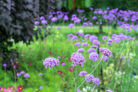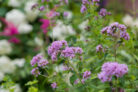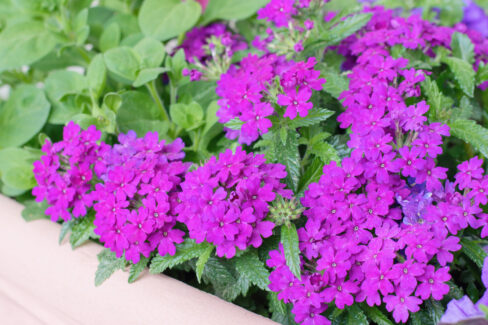
If you want a balcony that truly stops people in their tracks, you can’t go wrong with Verbena. These beauties show off clusters of vibrant flowers all summer long in just about every color imaginable. Whether you’re looking to be the envy of the neighborhood or just want a cheerful view while you sip your morning coffee, Verbena is a fantastic choice. Of course, a stunning display doesn’t just happen by magic—you’ve got to give these plants a little love to get those results.
Location, Pots, and Soil
First things first: Verbena is a total sun-worshipper. It craves heat and bright light, so a south-facing balcony is its happy place. It’ll do okay in east or west-facing spots, too, but keep this in mind: the more shade it gets, the fewer flowers you’ll see. While most varieties prefer a spot sheltered from the wind to protect their delicate petals, there are some newer hybrids out there specifically bred to handle wind and rain like a champ.
When picking out a pot, go deep! Verbena roots like to stretch out, so give them some vertical room. Make sure your container has plenty of drainage holes, because “wet feet” is a death sentence for these plants. If you’re using hanging baskets, look for trailing varieties—they look incredible spilling over the sides. For soil, grab a high-quality potting mix that’s rich in organic matter and slightly acidic.
Starting the Season: Seeds vs. Store-Bought
Since Verbena is usually grown as an annual, you’ll need fresh plants every spring. Buying starts at the garden center can get pricey—at $3 or $4 a pop, filling up a whole balcony railing adds up fast! That’s why many gardeners prefer the budget-friendly route: starting from seed. You can sow them directly outside from late April through mid-June, but if you want a head start on the blooming season, start them indoors in February.
- Fill a seed tray with a light, low-nutrient seed-starting mix.
- Scatter the seeds evenly and press them down gently.
- Barely cover them (no more than 1/5 inch of soil) because they need light to germinate.
- Keep them in a bright spot at around 68°F (20°C).
- Use a spray bottle to keep the soil consistently moist.
You should see sprouts in about 2-3 weeks. Once they’re big enough, transplant them into richer soil. Just wait until after the last frost (usually mid-May) to move them outside. They play really well with begonias, petunias, and million bells—just give them about 8-12 inches of space between plants.
Pro Tip: Pinch back the tips of young plants a few times early on. It feels mean, but it actually encourages them to grow much bushier and fuller!
Summer Care and Maintenance
Verbena likes its soil “just right”—think lightly moist. You’ll want to water regularly but sparingly. They can handle a brief dry spell, but they absolutely hate standing water. Before you grab the watering can, do the finger test: if the top inch of soil feels dry, it’s time for a drink. Feed them with a liquid fertilizer every 2-4 weeks. Since Verbena is actually edible (it’s great for tea!), make sure to use an organic fertilizer if you plan on snacking on it.
To keep your plants looking fresh, stay on top of “deadheading.” Removing spent blooms and old leaves prevents rot during rainy spells and tricks the plant into pumping out even more flowers. Keep in mind that Verbena isn’t winter hardy, so once the first hard frost hits, it’s usually game over. However, if you have a favorite plant, you can take cuttings in the fall and overwinter them indoors to save space!