Pink hydrangeas are the ultimate way to add a touch of romantic charm to your backyard. But here’s the thing: if you want to keep those blooms looking perfectly pink, you’ve got to pay attention to your soil’s pH levels and overall nutrition. Don’t worry, though—I’ve got you covered with everything you need to know!
The Magic (and Mystery) of Color-Changing Blooms
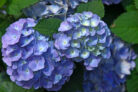
Did you know that hydrangea flowers can actually shift between pink, purple, and blue? It’s like a science experiment in your garden! When the soil becomes more acidic, the plant is able to absorb aluminum from the ground. Once the pH level hits around 6.0 or lower, those pink petals will slowly start turning blue.
It doesn’t happen overnight, but if you want to turn your hydrangeas blue (or keep them from changing!), you need to monitor your soil. I recommend grabbing some pH test strips from your local garden center—they’re super easy to use and take the guesswork out of the process.
Generally speaking, hydrangeas love acidic soil. When planting, your best bet is to use a specialized hydrangea potting mix to give them exactly what they crave. If you can’t find that, rhododendron or azalea soil works like a charm too. Also, keep an eye on your water source when watering your hydrangeas. Using water with high lime content can push the pH level toward the alkaline side, which messes with the color.
Here are your best watering options:
- Clean rainwater is always the gold standard for your plants.
- If you have hard tap water, let it sit out for a few days before using it.
How to Keep Those Petals Pretty in Pink
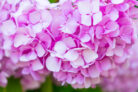
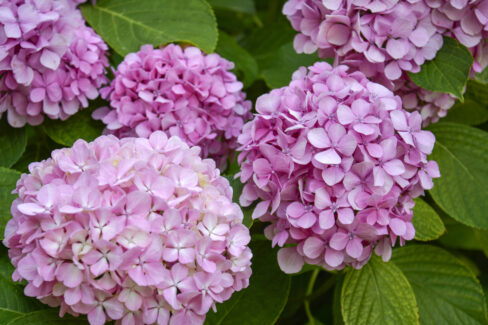
To keep your hydrangeas in that sweet pink spot, aim for a soil pH of around 6.0. If your soil is too acidic, a little bit of lime can help raise the pH. However, most garden soil tends to be more alkaline. In that case, you can use specific fertilizers to acidify the soil just enough.
Using the right fertilizer ensures your Hydrangea gets the nutrients it needs while keeping the color exactly where you want it. Just a heads-up: be careful not to over-fertilize, as that can do more harm than good!
Try these natural options to help acidify your soil:
- Leaf compost
- Well-aged manure
- Peat-based amendments