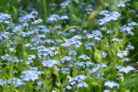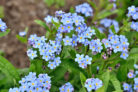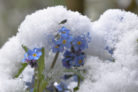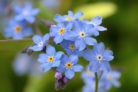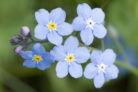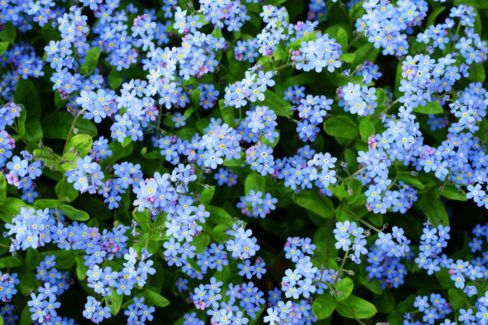
Forget-me-nots are those classic, charming spring flowers we all know and love. These herbaceous plants usually grow up to about 16 inches tall, showing off those iconic long flower stalks. While most people think of them as annuals, there are actually several varieties out there that can be grown as biennials or even perennials.
Forget-Me-Nots: Annual, Biennial, or Perennial?
If you’re growing forget-me-nots in balcony boxes or patio pots, they’re usually treated as annuals—meaning you enjoy them for one season and swap them out for summer blooms once the flowers fade. However, if you plant them in the ground, some species can stick around much longer.
The lifespan of your forget-me-nots really comes down to the specific variety and how you care for them. The most common type you’ll find is the biennial Wood Forget-me-not. Here’s the deal with those: in the first year, you sow the seeds and let the young plants establish themselves. The following year, they reward you with those gorgeous blue blossoms. Once they’re done blooming, you can pull them out to make room for other flowers. But here’s a pro tip: if you let the flower heads dry out and drop their seeds, you’ll have a fresh crop of “self-sown” forget-me-nots popping up again next year!
The Perennial Powerhouse
Yes, there are true perennial versions of this plant! Take the Water Forget-me-not, for example. This variety loves hanging out in soggy spots, like the edges of a garden pond or in damp marshy areas. It’s a pretty low-maintenance guest, too. Here’s the quick cheat sheet for keeping them happy:
- Give them plenty of water, but only if the soil starts to dry out during a hot summer.
- Skip the fertilizer! Too much food can actually make them prone to fungal diseases.
- If you don’t want them spreading all over the place, just snip off the faded flower clusters.
- They’re tough in the winter. You don’t need extra protection unless they are very young plants, in which case a little mulch or brush will do the trick.
To ensure a spectacular show the following spring, give your perennial forget-me-nots a good trim in late autumn. If you prefer to wait until spring to prune, just know that you’re encouraging the plant to self-seed and spread.
The Perennial Look-Alikes
If you love the look but want something slightly different, there are a couple of “body doubles” you should know about. First up is Creeping Navelwort (Omphalodes verna). It looks almost identical to a forget-me-not and thrives in moist soil and partial shade. It’s a fantastic groundcover that spreads pretty quickly, showing off those signature blue flowers starting in April.
Another great look-alike is the Siberian Bugloss (Brunnera macrophylla), often called the “Great Forget-me-not.” This is a woodland plant that handles shade like a champ. While the blue flower clusters look just like the real deal, the leaves are the giveaway—they’re much larger and often feature beautiful silvery-white patterns with dark green veins.
Both of these alternatives are excellent choices if you want reliable groundcover that stays put without becoming quite as “wild” as the standard forget-me-not.