If you’re looking for a low-maintenance fruit tree that won’t give you a headache with constant diseases, choosing a hardy apple variety is the way to go. These tough contenders are perfect for a “set it and forget it” vibe in your backyard. Here are some of the best varieties to consider.
[[pflanzen]]
++Rebella (Malus domestica “Rebella”)
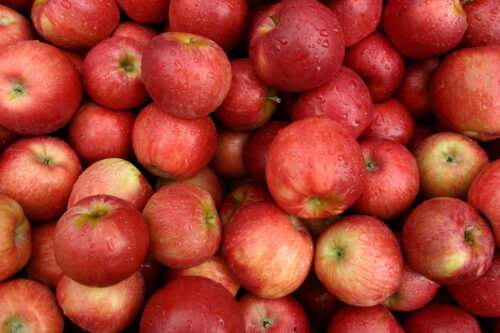
The Rebella apple is a real survivor. For starters, it’s incredibly cold-hardy, so you won’t have to lose sleep over it during a harsh winter. Even better? It’s resistant to a whole laundry list of common garden pests and diseases. We’re talking resistance to mildew, apple scab, fire blight, and even spider mites. If you want a robust tree that practically takes care of itself, this is a top-tier choice.
++Rheinischer Winterrambur (Malus “Rheinischer Winterrambur”)
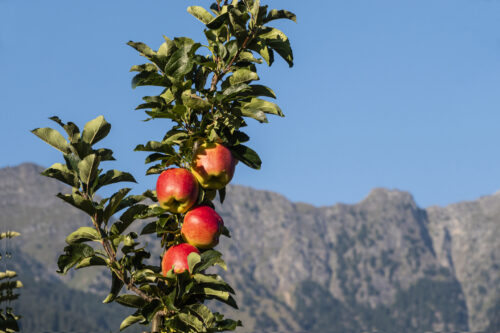
The Rheinischer Winterrambur is a mountain-dweller at heart. It’s frequently grown in high-altitude regions because it handles the cold like a pro and grows vigorously with very little fuss. Its one minor “achilles heel” is a slight susceptibility to mildew. However, as long as you keep an eye on it and ensure it has good airflow and nutrients, it’ll reward you with a reliable, beautiful harvest year after year.
++Golden Delicious (Malus domestica “Golden Delicious”)
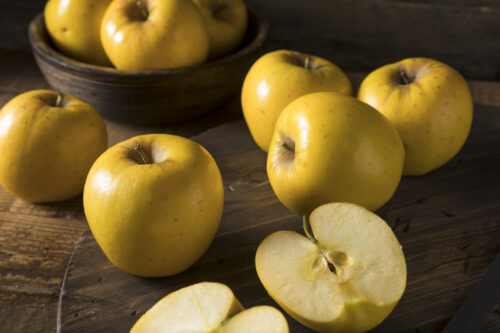
You’ve definitely seen this one at the grocery store! Golden Delicious is a classic for a reason—it’s a sturdy tree that adapts well to many climates. Known for its sweet, aromatic flavor and signature yellow-green skin, it’s a fan favorite for fresh eating. Plus, it’s the gold standard (pun intended!) for apple pies and other baked treats.
++Roter Eiserapfel (Malus “Roter Eiserapfel”)
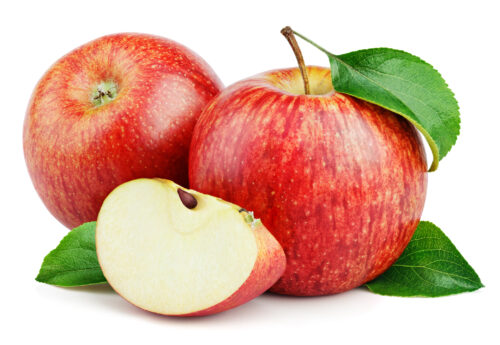
The “Red Iron Apple” lives up to its name with a deep red color and firm, sweet flesh. Because the fruit is so dense, it’s absolutely perfect for baking or making a chunky apple compote. Another huge plus? These apples have a fantastic shelf life and can be stored for a long time. The tree itself is very easygoing; give it enough space and a sunny spot, and it’ll keep your baskets full.
++Boskoop (Malus domestica “Belle de Boskoop”)
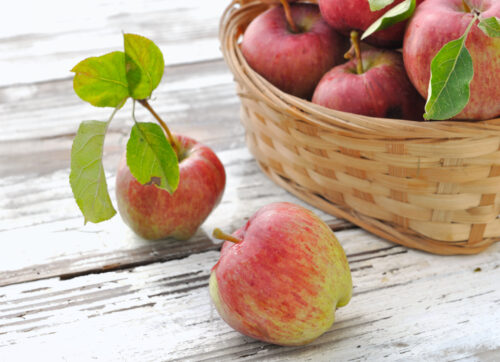
If you prefer a bit of a “zing” in your fruit, the Boskoop is an heirloom variety with a wonderfully tart flavor. Don’t expect a shiny, supermarket-perfect look here—the skin is often matte and can have some rustic spots. While it might not win a beauty pageant, the flavor is incredible. It’s a hardy tree that’s a dream come true for anyone who loves a sour apple.
++Metzrenette (Malus domestica “Metzrenette”)
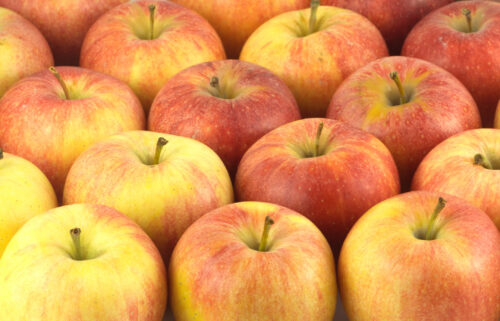
Looking for an apple that’s easy on the stomach? The Metzrenette is a great choice, especially since many people with apple allergies find they can tolerate it better due to its high polyphenol content. It offers a perfectly balanced flavor profile and the tree is remarkably disease-resistant. Aside from picking the fruit, you won’t have much work to do with this one!
++Maunzenapfel (Malus domestica “Maunzen”)
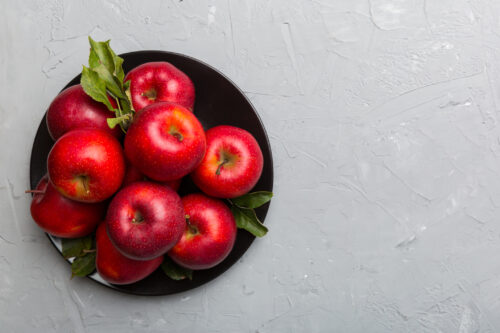
The Maunzenapfel is a piece of history, discovered as a chance seedling around 1900. It’s a late-season ripener and is legendary for its frost resistance. In fact, it became super popular after the brutal European winters of the late 1920s because it was one of the few trees that could handle the deep freeze. If you live in a place where winters get nasty, this is the tree for you.
%%Weirouge (Malus domestica “Roter Mond”)
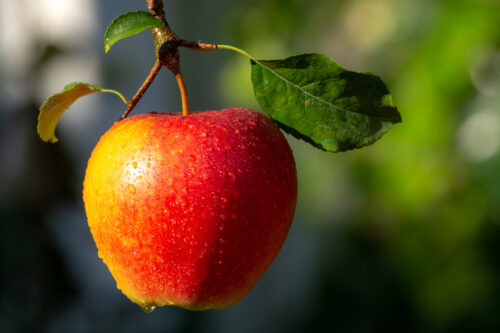
If you want a real conversation starter, check out the “Red Moon” or Weirouge apple. It’s not just the skin that’s red—the flesh inside is a stunning, vibrant red too! This variety has roots in both Germany and Russia (where it’s linked to the famous pomologist Ivan Michurin). It’s a unique, hardy “insider tip” for gardeners who want something a little different.