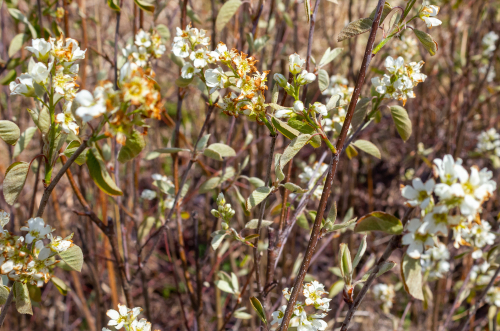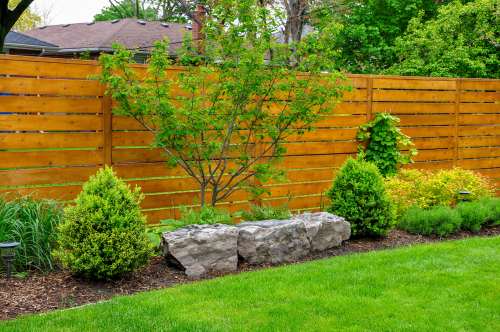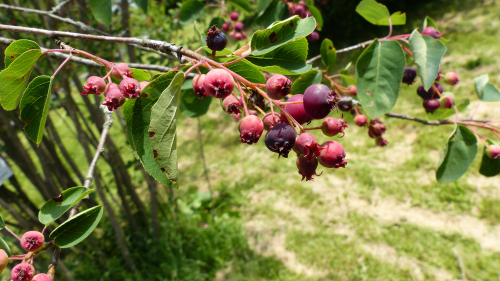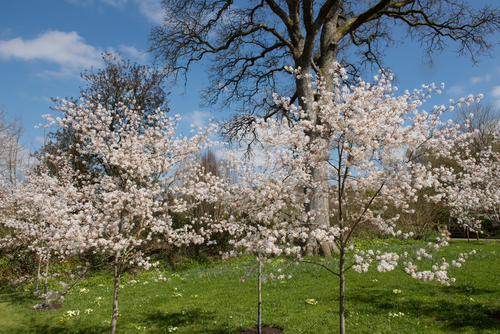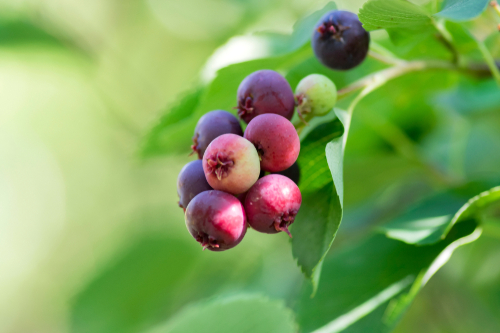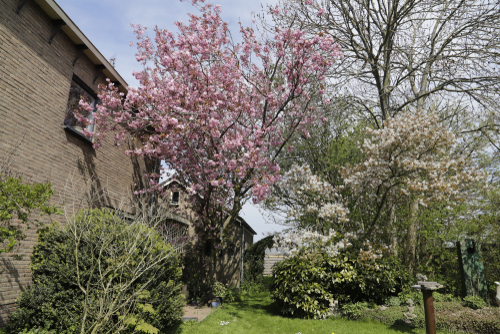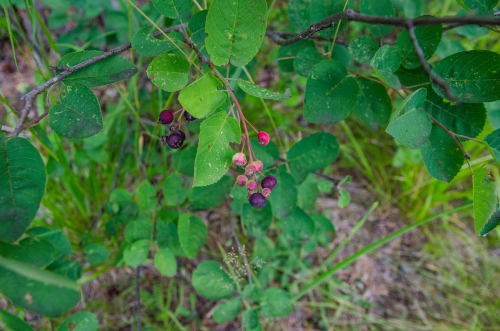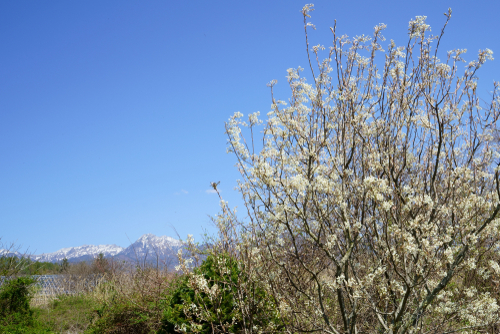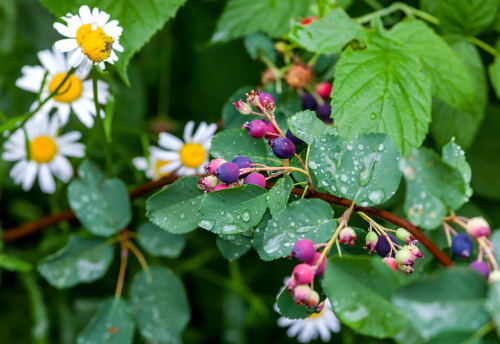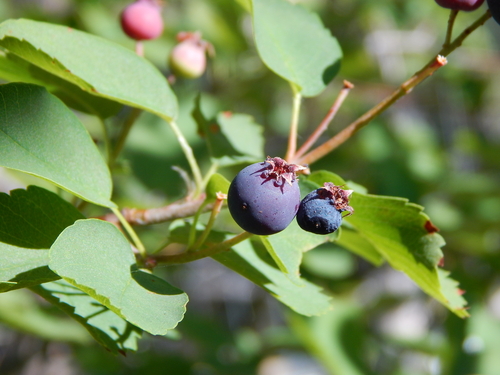
The Serviceberry (also known as Juneberry or Saskatoon) actually has its roots in North America. If you’re thinking about adding one of these beauties to your yard, you’ve got plenty of options! Different varieties offer everything from unique growth habits to delicious fruit yields.
The European Serviceberry
*Amelanchier ovalis*—the European Serviceberry—is native to various parts of Europe, where it can be found growing at altitudes of up to 6,500 feet. It’s a popular choice for stabilizing slopes and hillsides. Visually, it looks a lot like its North American cousins, featuring those signature white blossoms and edible berries (though it doesn’t produce quite as many). It’s a great pick for smaller spaces, as it rarely grows taller than 10 feet.
The Saskatoon Serviceberry (Alder-Leaved)
*Amelanchier alnifolia*—often called the Saskatoon or Alder-leaved Serviceberry—hails from North America. It usually reaches about 6 to 10 feet in height and spreads fairly quickly via suckers. This variety is a real “tough cookie” when it comes to location; it thrives in all sorts of environments and soil types. Unlike the European version, this one is a heavy hitter when it comes to fruit. In Canada, it’s widely cultivated for its berries, which are whipped up into all kinds of delicious treats.
The Autumn Brilliance / Apple Serviceberry
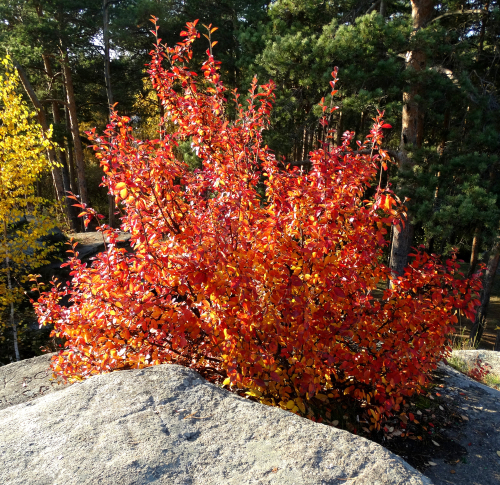
*Amelanchier lamarckii*—commonly known as the Juneberry or Copper Serviceberry—gets its name from the stunning reddish-copper hue its leaves take on in the fall. Even the new spring growth puts on a colorful show! Because it naturally grows with multiple stems, it makes a fantastic focal point or “specimen tree.” It’s incredibly hardy and handles pruning like a champ, making it a favorite for training into a “canopy” or umbrella shape in the garden.
Wild vs. Cultivated: What’s the Difference?
While there are many wild species of Serviceberry still found in nature, you’ll also find plenty of cultivars specifically bred for home gardens. Some are even grafted onto Rowan (Mountain Ash) rootstock. This allows growers to combine the best traits of different plants, like a specific growth habit paired with better disease resistance.
So, which variety should you plant in your garden? To find your perfect match, ask yourself a few questions:
- What kind of shape do you prefer (bushy or tree-like)?
- How much pruning do you want to do? Are you looking for low-maintenance or a DIY project?
- Are you looking for a big harvest? Do you want the berries to be tasty for snacking?
- How much vertical space do you have?
If you’re short on time and space, the European Serviceberry is a solid choice since it stays small and offers edible fruit without much fuss. If you want to get creative with pruning and shaping, the Copper Serviceberry is your best bet—it’s very forgiving and looks stunning as a decorative piece.
For the foodies out there, the Saskatoon (Alder-leaved) variety is the winner for flavor and yield. But if you’re all about that “wow factor” in the landscape, the Copper Serviceberry’s fiery red autumn foliage is hard to beat!