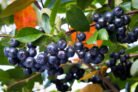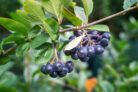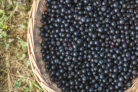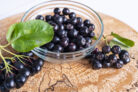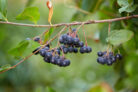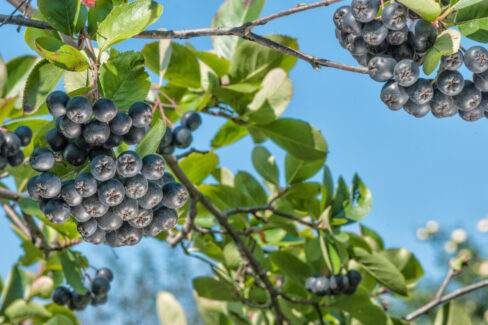
Aronia berries, also known as chokeberries, are actually native to North America, so they feel right at home in our backyards! These shrubs produce incredibly healthy little berries that have become a favorite for home gardeners. However, the trick to getting the best harvest is all in the timing—you really want to wait until they are fully ripe. Here’s everything you need to know about picking your aronia crop!
Harvest Season Starts in August
Generally, the harvest window for aronia kicks off in mid-August. Of course, Mother Nature has the final say, so the exact timing depends on the weather and where your shrub is planted. If it’s been a hot, sunny summer, you might be picking berries a bit earlier. On the flip side, a rainy season can push things back. Usually, you can expect to keep harvesting right through the end of September.
How to Tell When Aronia Berries Are Ripe
- The skin is a deep dark purple or almost black.
- The flesh inside is a solid wine-red color.
- The stems have turned dark.
- There isn’t a single trace of green left on the skin.
Patience Pays Off with Sweeter Fruit
If you’ve ever tried store-bought aronia juice, you know it can be pretty tart and astringent. But here’s a pro tip: aronia berries can actually be quite sweet! The longer you leave them on the branch, the sweeter they get. If you’re looking for that sugar hit, just let them hang out a while longer.
You can actually harvest aronia berries as late as December. If you wait until after the first frost, the flavor becomes even sweeter. Don’t be put off if the berries start to look a little shriveled or wrinkly late in the season—they are still perfectly good to eat and packed with flavor.
Keep the Birds at Bay
Humans aren’t the only ones who love these berries; birds will happily clear out your shrub if you aren’t careful! This is especially true if you’re planning on a late harvest. By December, the local birds will likely have picked the branches clean. To save some for yourself, drape a bird net or even an old sheer curtain over the bush. Make sure to get your protection in place early, because birds have a sixth sense for when those berries hit peak ripeness!
If you don’t want to leave the fruit on the bush that long, you can harvest the fully ripe berries in the fall and simply pop them in the freezer. This cold snap helps break down the tannins and brings out that natural sweetness, just like a natural frost would.