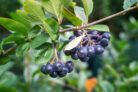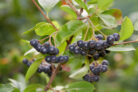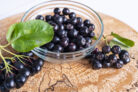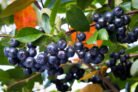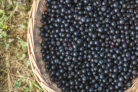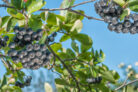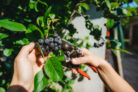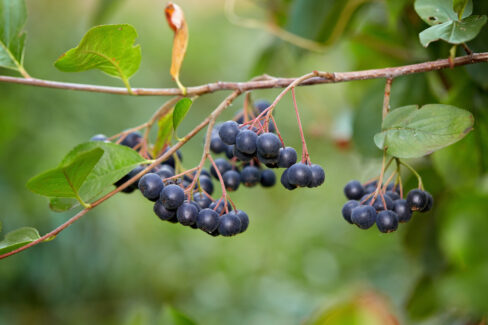
Aronia is a powerhouse plant that actually calls North America home! While you might know it as the “chokeberry,” it’s been a staple for centuries—Indigenous peoples originally relied on these vitamin-packed berries as a vital food source to get through long winters. If you’re looking for a low-maintenance addition to your backyard, Aronia is about as easygoing as it gets.
Aronia: The Tiny Pome Fruit
Even though we call them berries, Aronia fruits are technically more like tiny apples. Since they belong to the rose family (Rosaceae), they share the same internal structure as apples and pears. Think of them as the world’s smallest pome fruits!
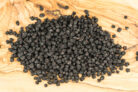
These little dark gems are total nutritional powerhouses. They are loaded with minerals, Vitamin C, Vitamin K, and folic acid, not to mention those healthy flavonoids we all hear about. The best part? They are super easy to preserve. Whether you prefer freezing your Aronia berries or drying them out, they store beautifully for the long haul.
Key Varieties to Know
Aronia has been grown commercially since the 20th century because the fruit is just that good. The two heavy hitters you’ll likely come across are the “Black Chokeberry” (Aronia melanocarpa) and the “Red Chokeberry” (Aronia arbutifolia). You can also find Aronia prunifolia (the Purple Chokeberry) growing wild across the U.S. and Canada.
A Stunning Addition to Your Landscape
Beyond the harvest, these shrubs are gorgeous ornamental plants. An Aronia bush can reach up to six feet tall, making it a great focal point. While the leaves are a lush green all summer, they put on a spectacular show in the fall, turning a brilliant, deep wine-red.
Low Maintenance, High Reward
One of my favorite things about Aronia is how tough it is. It’s incredibly hardy and rarely gets bothered by pests or diseases. If you’re still on the fence about planting one, here’s why it’s a winner for any garden:
- It’s not picky about soil quality and requires very little “TLC.”
- It has a natural resistance to most common garden pests and diseases.
- The autumn foliage is absolutely stunning and adds major curb appeal.
- The health benefits of the fruit are hard to beat.
- It’s perfect for beginner gardeners or anyone with a busy schedule.
- It’s a breeze to propagate using cuttings or root suckers.