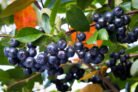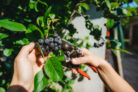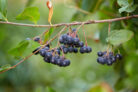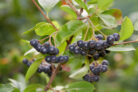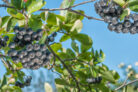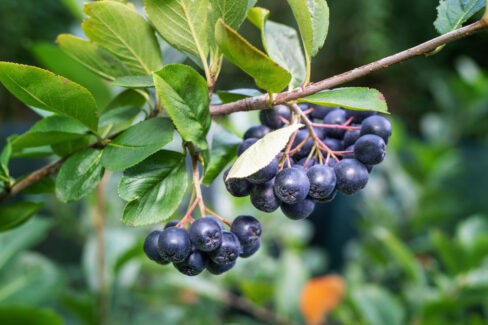
The Aronia berry—often called the chokeberry—actually has its roots right here in North America. After decades of cultivation, the Aronia plant has become incredibly adaptable to various climates. This makes it a total breeze to grow, even if you’re a beginner gardener. As long as you pick the right spot, this hardy shrub will pretty much take care of itself!
What This Low-Maintenance Plant Needs to Thrive
- Plenty of sunlight
- Loose, well-draining soil
- Moderate watering
- No fertilizer needed
Soak Up the Sun
If you want a bountiful harvest of berries, your best bet is to plant your shrub in a sunny spot. Pro tip: If you plant two shrubs near each other, you’ll actually boost the pollination rate. While the chokeberry will still produce fruit in partial shade, the rule of thumb is: the more sun it gets, the more berries you’ll pick.
One of the coolest things about Aronia is its toughness. You can plant it just as easily in low-lying flatlands as you can in high altitudes up to 3,000 feet. It’s one resilient plant!
Keep the Soil Loose and Hydrated
Aside from sunshine, Aronia loves soil that is loose and consistently moist. Whether or not you’ll need to grab the watering can depends on your specific soil and the weather. If you have heavy clay soil, you’ll likely only need to water during those scorching, dry summer stretches. However, if your soil is on the sandy side, you’ll want to water a bit more frequently to keep the roots happy.
Harvesting Your Fall Bounty
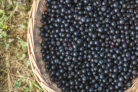
When your Aronia is happy in its home, you can look forward to tons of berries in the late summer or fall. Harvest season usually kicks off in mid-August and wraps up by the end of September. By the way, these shrubs make fantastic edible hedges—they provide great privacy and a delicious snack all at once!