If you’ve just added a raspberry bush to your garden, I bet you’re counting down the days until those first berries are ready to pick. Trust me, the wait is totally worth it—nothing beats the flavor of a sun-warmed raspberry straight from your own backyard. They’re miles better than anything you’ll find at the grocery store!
When Are Raspberries Ready to Harvest?
To figure out when your berries will be ripe, you first need to know which variety you’re growing. Raspberries generally fall into three categories: summer-bearing, fall-bearing (everbearing), and “Two-Timer” varieties. Here’s a quick cheat sheet for their harvest windows:
- Summer Raspberries: These usually peak in June and July.
- Fall Raspberries: These start ripening in August and keep going right up until the first frost.
- Double-Cropping (Two-Timer) Raspberries: You get the best of both worlds with a harvest in June and another starting in late August.
How to Tell if a Raspberry is Ripe
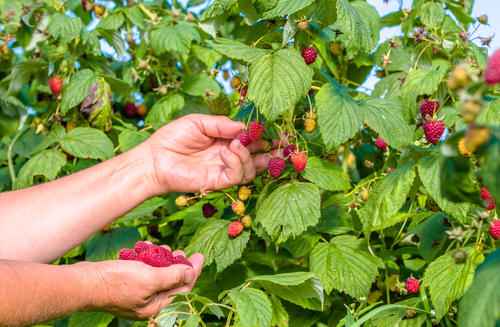
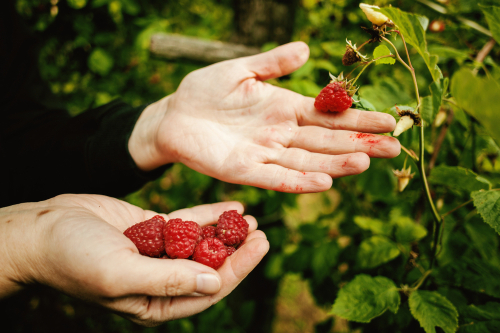
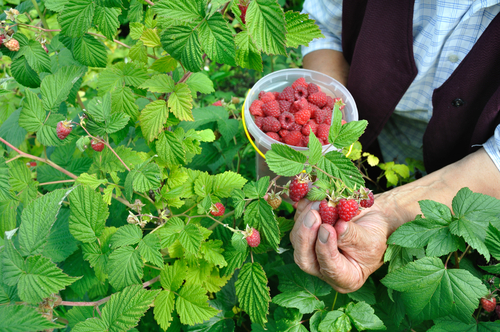
The best way to spot a ripe raspberry is by its color. You want to see a deep, consistent hue all the way around. Whether you’re growing red, yellow, or white varieties, there shouldn’t be any green spots left.
Another pro tip: give the berry a very gentle tug. If it’s truly ripe, it will slide right off the core (the receptacle) with zero effort. If it puts up a fight, leave it alone! Don’t force it; just give it a few more days on the vine to reach peak sweetness.
The Best Time to Pick Your Berries
For the best flavor, try to harvest on a warm, sunny day. If you’re planning on eating them fresh (which I highly recommend!), they’ll be at their sweetest when they’ve had some sun. However, if you’ve got a bumper crop and want to freeze some for later, try to pick them in the morning. Just make sure it’s a dry day—you don’t want to freeze damp berries.
If you’re planning on making jam or jelly, the time of day doesn’t matter as much, and you can even pick them in the rain. The most important thing is to process them quickly. Raspberries have a very short shelf life once they’re ripe, and you don’t want them turning to mush or getting moldy. If they start to rot, they’ll have to go straight to the compost bin.
Tips for a Successful Harvest
When you’re out at the bushes, pick each berry individually and be incredibly gentle. Raspberries are delicate and bruise if you even look at them wrong! Place them carefully into a basket, and try not to stack them too deep—the weight of the top berries can easily crush the ones on the bottom. A wide, shallow basket is your best friend here.
Finally, keep an eye out for any overripe or wormy fruit. It’s best to toss those out immediately so they don’t spoil the rest of your harvest!