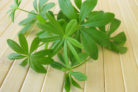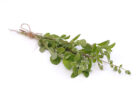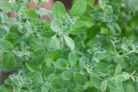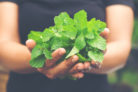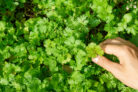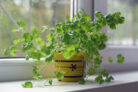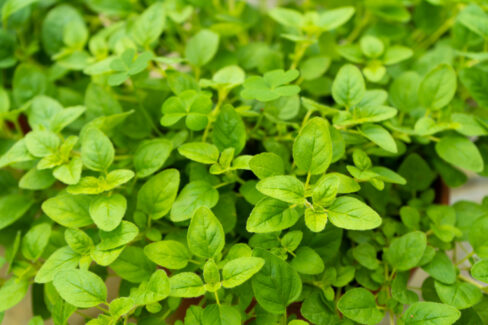
Marjoram is one of those herbs that absolutely deserves a permanent spot in your garden because nothing beats the flavor of a fresh harvest. Once those first spring shoots start looking lush, you can grab your garden shears and snip off what you need. However, if you’re looking for that “perfect” harvest day, there are a few tricks to keep in mind.
After sowing, patience is a virtue
In its native Mediterranean climate, marjoram is a perennial, but here in the States, we usually treat it as an annual because it just can’t handle a harsh winter outdoors. That means we get to start fresh with new seeds every year. Generally, you can start harvesting as soon as the plant looks big enough to handle it—usually about six to eight weeks after planting. Don’t worry about pruning it; cutting it back won’t slow it down. In fact, it’s quite the opposite! Every time you snip a stem, the plant sees it as an invitation to branch out and get even bushier.
Pruning tips for a long-lasting harvest
If you prune your marjoram correctly—whether you’re grabbing a sprig for dinner or just tidying up the plant—you can keep your harvest going well into the fall.
- Fresh marjoram doesn’t stay fresh for long, so harvest it as you need it.
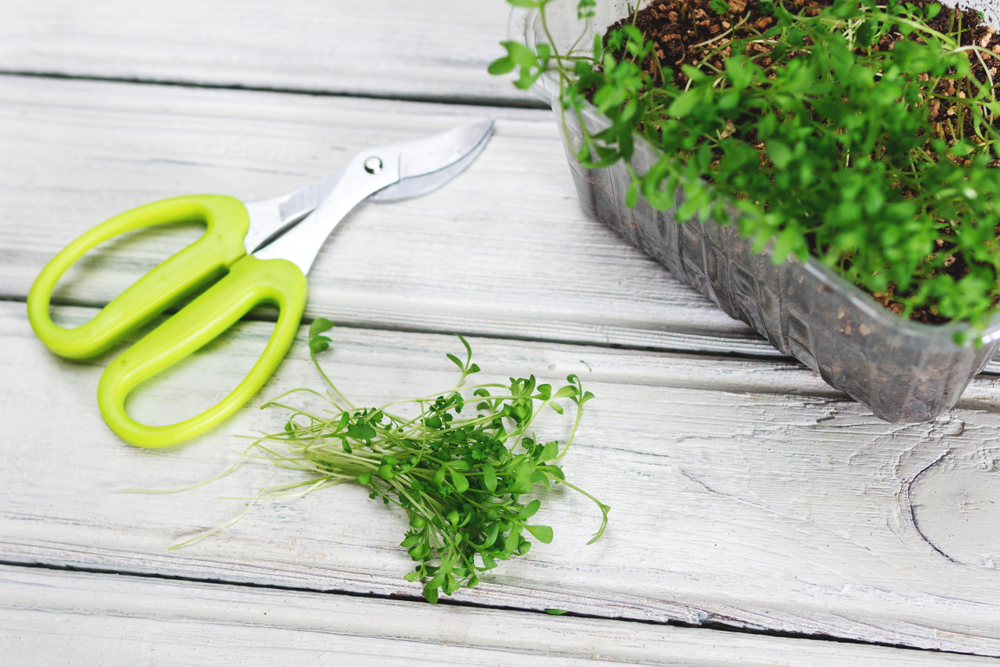
- Always use clean, sharp scissors.
- Regular trimming encourages the plant to branch out for a fuller look.
- Try not to just pluck off individual leaves; it’s better for the plant if you snip off the top third of the stems.
- For a major end-of-season harvest, cut the stems about a hand’s width above the ground.
The best time to harvest
For the most flavorful punch, aim for a dry, sunny morning right after the dew has evaporated. If it rained a day or two ago, even better—that means your herbs are already clean! You really want to avoid washing marjoram if you can, as water can dull that signature aroma. While you can harvest it anytime, the flavor is most intense just before and during bloom (usually between June and August). If you’re planning to dry or freeze your herbs, this is the window you want to hit. And don’t believe the myth that you have to stop harvesting once the flowers appear; the herb stays delicious, and the blossoms are actually edible, too!
Use your harvest quickly
Once cut, marjoram sprigs will stay okay for a few days, but that wonderful aroma starts fading fast. Marjoram is actually a bit sensitive to being handled—even when drying it, you should avoid tossing or turning it too much. Your best bet is to harvest it right when you’re ready to toss it into the pot. The fresher it is, the tastier your meal will be.
Pro Tip:
When it’s time for a big harvest, use a large basket so you can lay the stems in loosely without bending or crushing them. Be sure to pluck off any dried or damaged leaves beforehand. This same rule of thumb applies to its close cousin, oregano.