If you’re a raspberry lover, you probably can’t get enough of those sweet, homegrown berries. The good news? If you already have a variety you love in your garden, you don’t need to head back to the nursery to get more. You can actually propagate your own plants using three super simple methods. In this post, I’ll walk you through exactly how to grow your raspberry patch like a pro.
Three Ways to Multiply Your Raspberries
There are three main ways to get new raspberry plants from your existing ones:
- Digging up runners
- Taking root cuttings
- Layering the canes
You might be wondering about starting them from seed, but honestly? It’s a long, tedious process that usually isn’t worth the effort for home gardeners. Stick with these three methods for much faster results!
Digging and Replanting Runners
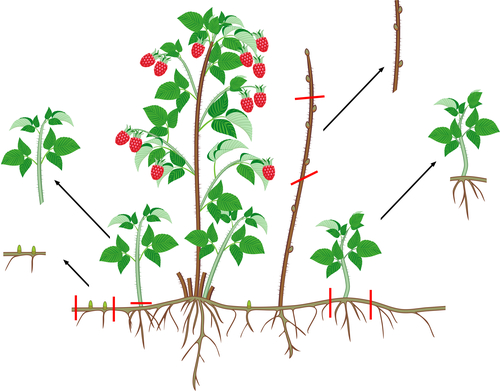
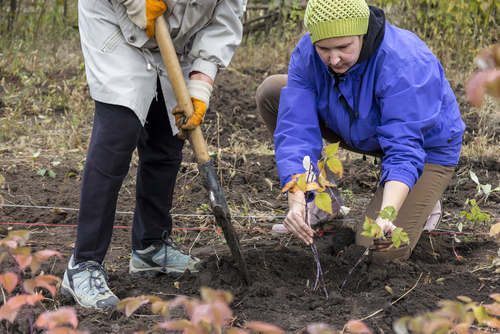
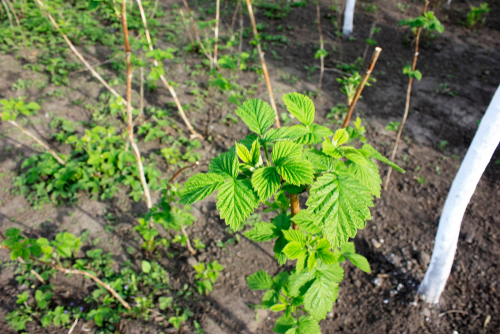
Raspberries are naturally “adventurous”—they send out runners (suckers) all the time to spread themselves around. If you don’t want your patch taking over the whole yard, you’ve probably already thought about installing a root barrier or regularly digging these runners up. The cool part is that these runners are ready-made baby plants! As long as the runner has developed its own root system, you can just dig it up and transplant it right into its new home.
Using Root Cuttings
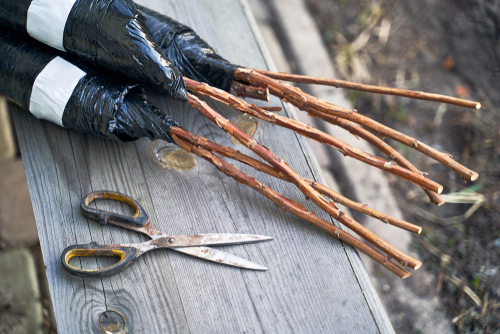
If you want a really reliable way to get new plants, root cuttings are the way to go. For this method, carefully lift the mother plant with a garden fork and snip off a long piece of the root. Cut that root into sections about four inches (10 cm) long.
Make sure each cutting has at least five “eyes” (little buds). Plant them in the soil and give them a nice thick layer of mulch to tuck them in for the winter and protect them from frost. By springtime, they should have a solid root system established and be ready to move to their permanent spot in your garden.
Layering the Canes
This is probably the easiest “set it and forget it” method. All you do is bend a flexible cane down to the ground and pin it into the soil. Over the winter, the cane will grow its own roots right where it touches the earth. By the time spring rolls around, you’ll have a brand-new raspberry plant ready to be snipped away from the parent and moved wherever you like.