The popular Hawaiian Palm (Brighamia insignis) is actually a member of the bellflower family and is a true succulent. Because these plants are experts at storing water, they don’t need to be watered nearly as often as your other leafy friends. However, if you get a little too enthusiastic with the watering can, you might run into a common problem: a soft, mushy stem.
All About the Hawaiian Palm Trunk
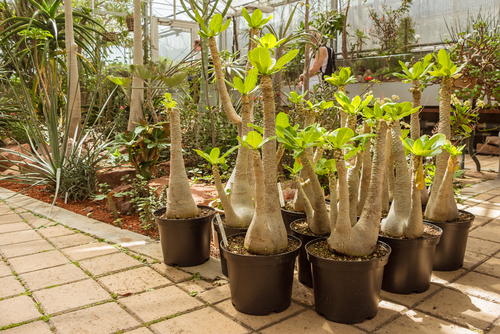
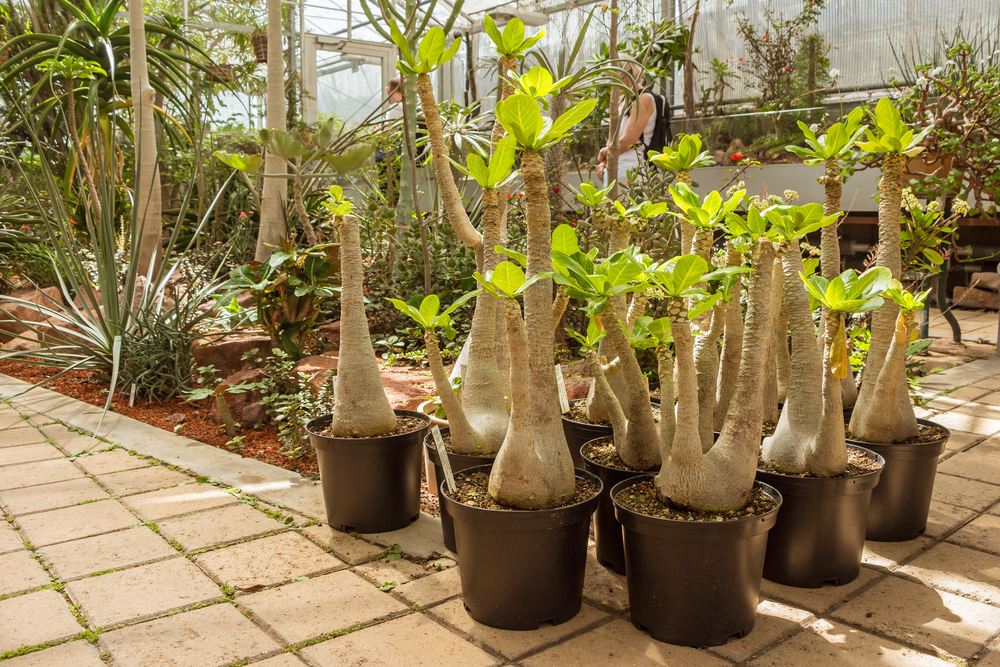
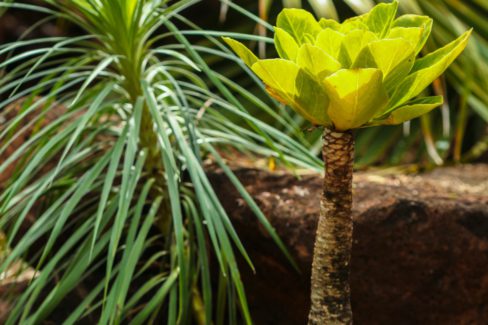
The Hawaiian Palm features a thick, unbranched trunk topped with a crown of vibrant leaves. The bark has a distinctive light gray color, while the bright green leaves grow in a rosette pattern directly from the top, reaching lengths of up to 12 inches. If you’re lucky, you’ll see delicate flowers peeking out from the leaf axils starting around October.
When the Stem Gets Sick
Even though the Hawaiian Palm is generally low-maintenance, it does require a bit of a “green thumb” touch. If the plant isn’t happy, it’ll let you know by turning its leaves yellow or, worse, developing a soft stem. This is almost always a sign of overwatering. When water sits in the soil (waterlogging), the plant gets overwhelmed. Normally, the palm stores water in its leaves, but when there’s too much around, it tries to cram that extra moisture into the stem, causing it to lose its firmness.
A soft stem is a major red flag for rot. If the trunk loses its stability and starts to bend over, the roots are likely compromised, and unfortunately, the plant might be past the point of no return.
How to Save a Struggling Palm
You can only save your palm if the stem hasn’t turned completely to mush yet. If there’s still some firmness left, try these steps:
- Move your palm to a spot with partial shade.
- Stop watering immediately! A Hawaiian Palm can actually survive for about six weeks without a single drop.
- If the soil is soaking wet, you need to repot it.
- Carefully remove the plant from its container.
- Gently rinse away all the old, soggy soil from the roots.
- Use clean shears to snip off any rotten, blackened roots.
- Replant the palm in fresh, well-draining soil.
- Hold off on watering for at least a week. The plant will live off the moisture it has already stored in its leaves.
Preventing a Soft Stem
Since the Hawaiian Palm is a succulent, the golden rule is to only water it when the soil has dried out completely.
Always check your pot or saucer after watering—if there’s standing water, pour it out right away.
To keep those roots happy and dry, I always recommend adding a drainage layer of expanded clay pebbles (like LECA) at the bottom of the pot when you first plant it.