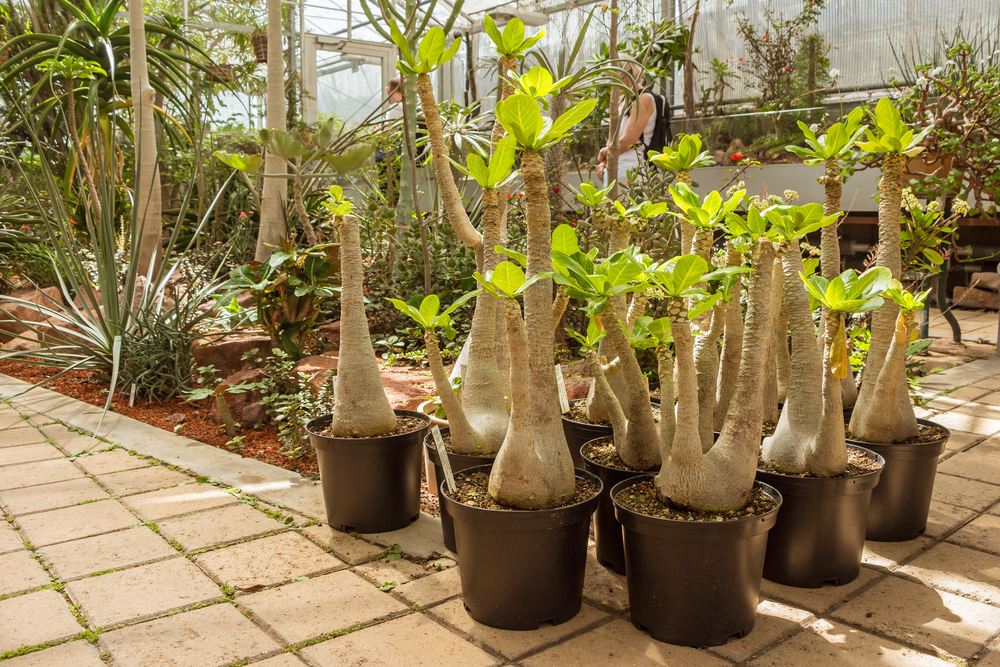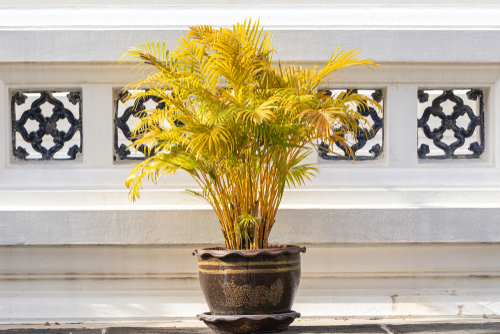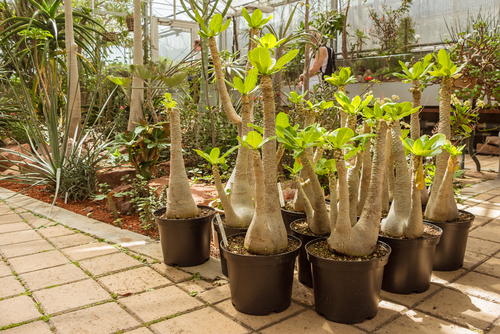
Hawaiian Palms are a fan favorite for indoor plant lovers, and for the most part, they’re pretty easygoing. However, there are a few basic ground rules you need to follow to keep them happy. Even with the best care, you might notice your plant looking a little under the weather—specifically, those leaves might start turning yellow.
Why is my Hawaiian Palm getting yellow leaves?
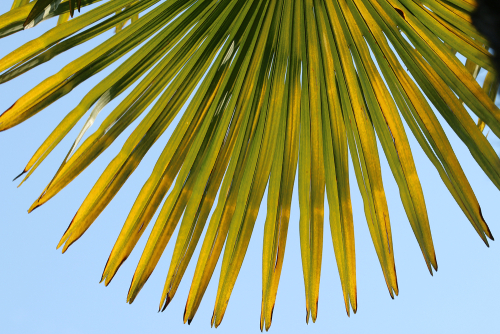
If you see yellow leaves followed by leaf drop, don’t panic! There are several reasons this happens, and most of them are actually quite natural:
- Too much direct sun
- A spot that’s just too bright
- Old age (natural shedding)
- Pests
- Moving the plant to a new spot
Too much light
Here’s a fun fact: the Hawaiian Palm actually does most of its growing in the fall and winter. During the summer months, it takes a little “nap” (dormancy) and tends to shed its older leaves. They’ll turn yellow and just fall right off. This is totally normal and nothing to worry about.
However, if your palm is getting blasted by too much sun and heat during this time, or if its spot is just too bright, the leaves might yellow prematurely. If that’s the case, try moving your plant to a spot with partial shade where it won’t get hit by direct sunlight. You can pluck off the yellow leaves yourself—just a heads-up, a sticky white sap will leak out immediately. Don’t worry, that’s just the plant’s way of sealing the wound!
Moving day stress
Hawaiian Palms can be a bit sensitive to change. If you move your plant to a different room or transition it from indoors to outdoors, it might react by turning yellow. As long as the new spot meets its needs and you keep up with your care routine, it’ll bounce back and start growing fresh green leaves in no time.
Pest problems
Sometimes, yellow leaves are a sign of uninvited guests.
Spider mites and thrips love to hang out on the undersides of the leaves.
Spider mites will cover the bottom of the leaf in a fine, delicate webbing where they hide and suck out the plant’s nutrients. This causes the leaves to yellow and drop.
Thrips also target the undersides of the leaves. You can spot them by looking for silvery, shiny patches where the pests have been feeding.
These pests usually show up in the winter when our heaters are cranked up and the air gets really dry. If you catch them early, you can treat the plant with a spray containing Neem oil. Often, just giving your plant a good “shower” in the sink to wash them off does the trick. Afterward, move your palm to a well-ventilated spot with better humidity so it can focus on growing new, healthy foliage.