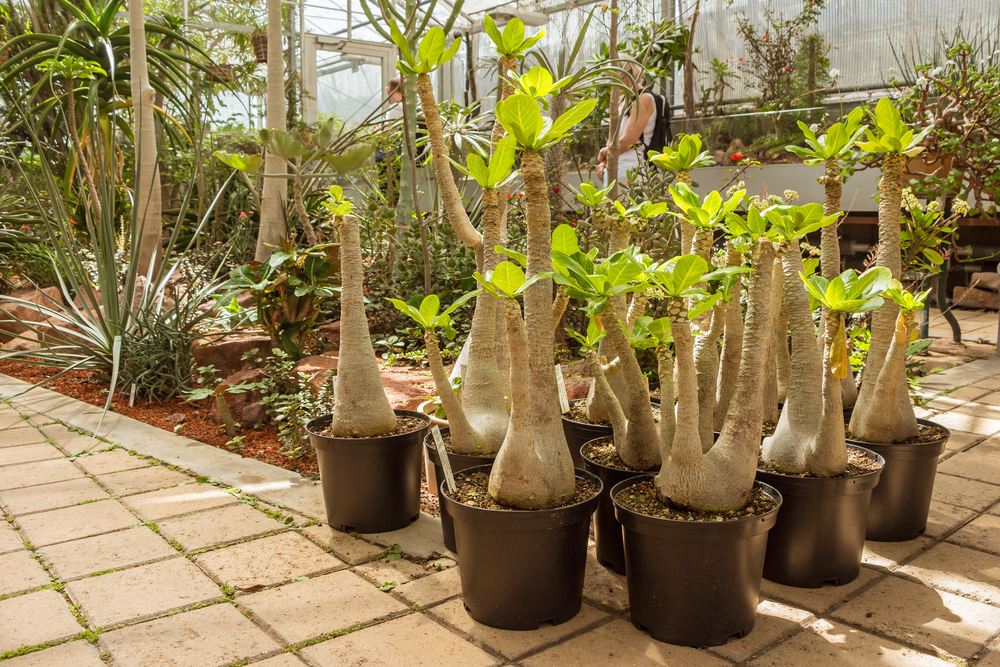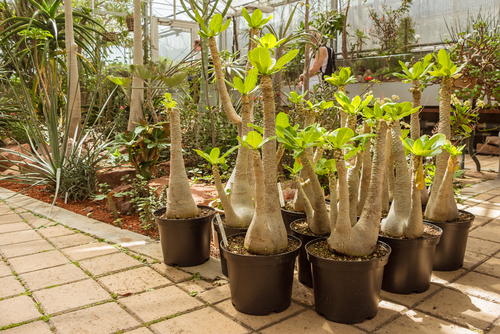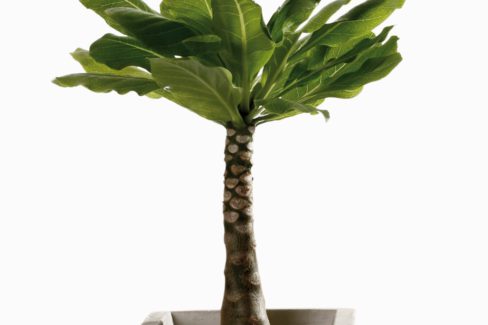
The Hawaiian Palm (Brighamia insignis) is actually a succulent, which means it’s a pretty slow grower. Because it takes its time, you don’t need to worry about repotting it every single year. Generally, giving it a fresh home every two to three years is plenty to keep it happy.
Repotting Your Hawaiian Palm
Like most succulents, the Hawaiian Palm doesn’t put on a massive growth spurt annually. If you’ve already got it in a spacious pot, you can go quite a while between repots. However, if you notice the trunk getting soft or see roots poking out of the drainage holes at the bottom, it’s time to swap out that old soil immediately.
One quirky thing about the Hawaiian Palm is its schedule: its main growing season is actually during the winter! Because of this, the best time to repot is during its “nap time” in the spring or fall.
When picking a new pot, go for one that’s about an inch (2 cm) wider in diameter. More importantly, look for a deeper pot. These plants have a taproot system, meaning they like to grow their roots straight down rather than spreading them out wide.
Before You Start
Before you get your hands dirty, you’ll need the right soil. Hawaiian Palms crave a gritty, well-draining cactus mix. You can grab a bag at your local garden center or DIY your own. Just mix standard potting soil with some gravel, coarse sand, expanded clay, or lava rock. This keeps the soil airy and prevents the roots from sitting in too much moisture.
The Repotting Process
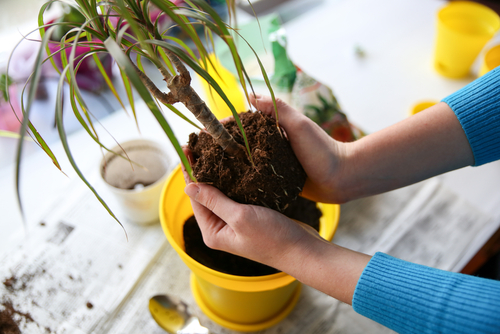
To make the move as stress-free as possible for your plant, it helps to have everything ready to go. Here’s my step-by-step guide:
- Pick out a new pot that is deep enough and at least an inch wider than the current one.
- Gently slide your palm out of its old container.
- Carefully shake off as much of the old, tired soil as possible.
- Create a drainage layer at the bottom of the new pot.
- Use coarse gravel, expanded clay pebbles, or even broken terracotta shards for this.
- Add a base layer of your fresh cactus substrate.
- Center the palm in the pot and fill in the gaps with more soil.
- Give the soil a light press to stabilize the plant.
- Water it very sparingly at first—don’t drown it!
- Place the pot in a spot with partial shade while it settles in.