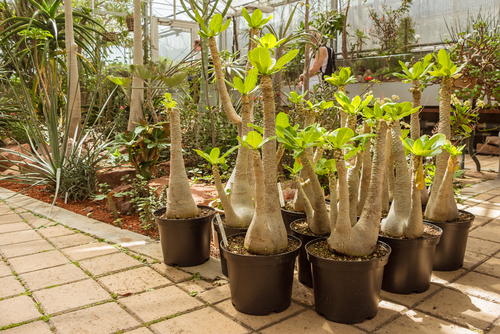
The Hawaiian Palm (Brighamia insignis) is a fascinating member of the bellflower family with a thick, succulent trunk. Despite its name and tropical look, it’s not actually a palm tree at all—it’s a succulent! While it originally hails from the islands of Hawaii (not South America), it has become a favorite for indoor gardeners everywhere. If you’ve fallen in love with its unique look, you might even want to try your hand at propagating it yourself.
What Does a Hawaiian Palm Look Like?
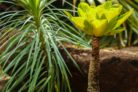
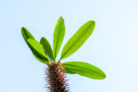
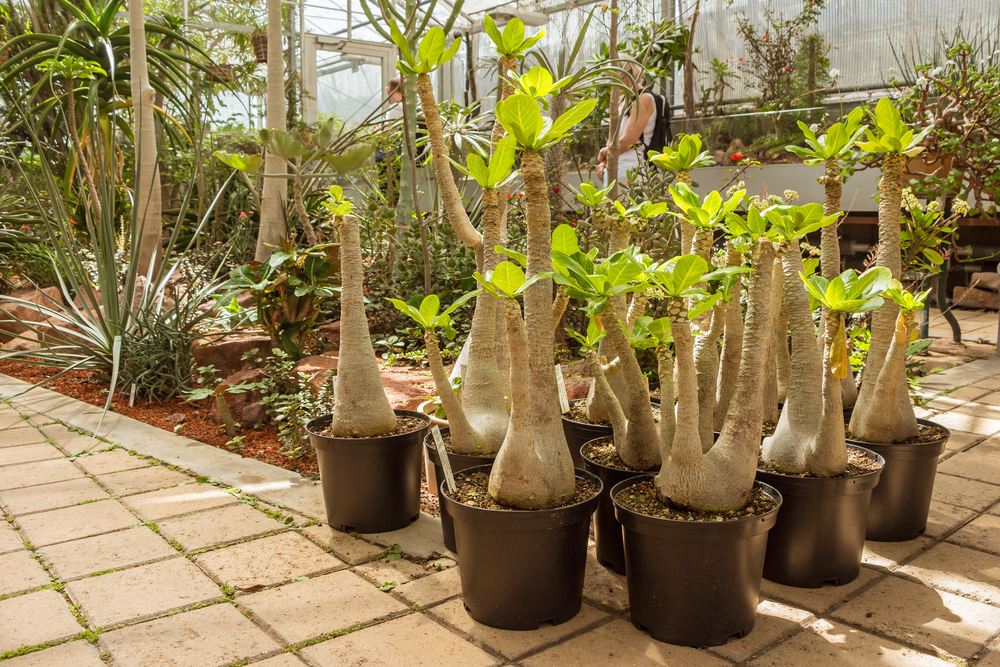
The most striking feature of this plant is its chunky, fleshy trunk topped with a crown of non-succulent leaves that can grow up to 12 inches long. This rosette of leaves is exactly what gives it that “palm tree” vibe. Unlike many other houseplants, its main growing season is actually during the fall and winter. From October to November, you’ll be treated to star-shaped, pale yellow flowers on long stems. If you’re lucky, these blooms will produce tiny 1mm seeds inside small capsules.
Here’s the catch: seeds will only form if you carefully hand-pollinate the flowers yourself. Since you won’t find Hawaiian Palm seeds at your local garden center, you’ll need to play bee if you want to grow new ones from scratch!
How to Grow a Hawaiian Palm from Seed
If your hand-pollination was a success and you’ve got seed capsules ready to go, you’re all set to start planting.
- Harvest the ripe capsules and gently remove the tiny seeds.
- Scatter the seeds onto a high-quality starting mix and press them down lightly.
The perfect soil for a Hawaiian Palm is a blend of compost mixed with gravel, loam, lava granules, and sand. However, for just starting out, a 50/50 mix of seed-starting soil and cactus potting mix works great too.
- Water the seeds by gently misting the surface. Don’t use a heavy pour, or those tiny seeds will wash right away!
- Place your seed tray in a bright, cool spot—an unheated sunroom or a cool greenhouse is perfect. You’re looking for a germination temperature of around 65°F (18°C).
- Keep the soil consistently moist, but never soggy.
Patience is key here! It takes at least two to three months before you’ll see any sprouts poking through. Once the seedlings are sturdy enough to handle, you can transplant them into a dedicated palm or succulent soil. Because these seeds can be a bit finicky and don’t always sprout, many gardeners find it easier to buy a young plant from a nursery and focus on growing it into a showstopper.