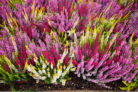
Heathers are the ultimate low-maintenance superstars of the garden, offering gorgeous pops of color for years with very little fuss. If you’re looking to add some hardy, beautiful texture to your landscape, here are the most popular varieties and what makes each one special.
[[pflanzen]]
++Cornish Heath (Erica vagans)
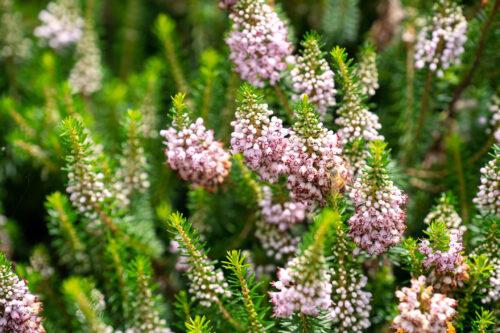
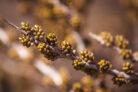
Named after the scenic county in southwest England, Cornish Heath is a fantastic late-summer bloomer. You’ll see its flowers popping from July through September. It stays relatively compact, reaching about 12 to 30 inches in height. Since it’s an evergreen, it keeps your garden looking lively even in the dead of winter. Keep an eye out for its unique stems, which often show off white or golden-brown tones alongside the green foliage.
++Bell Heather (Erica cinerea)
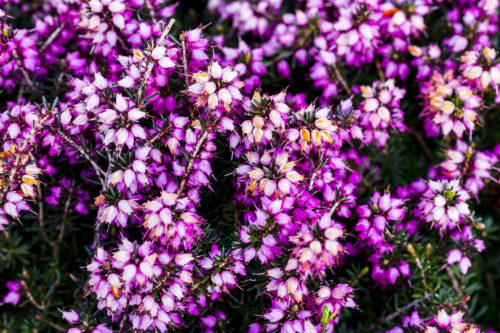
Don’t let the name “Gray Heath” (as it’s known in some regions) fool you—this dwarf shrub is packed with color! Growing between 8 and 24 inches tall, it usually produces stunning purple blooms, though you’ll occasionally find white varieties. It flowers from summer well into autumn and is tough enough to grow in rocky soil. That said, it’ll really thrive if you give it some organic-rich soil and consistent moisture.
++Darley Dale Heath (Erica x darleyensis)
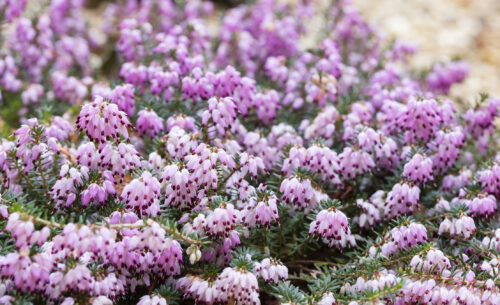
If you’re looking for an early bird, this is the plant for you. Darley Dale Heath (often called English Heath) starts blooming as early as November, and almost certainly by January. These lovely flowers stick around until April, bridging the gap between winter and spring. They come in shades of white, pink, or purple, so you can easily find a variety that fits your garden’s color palette.
++Cross-Leaved Heath (Erica tetralix)
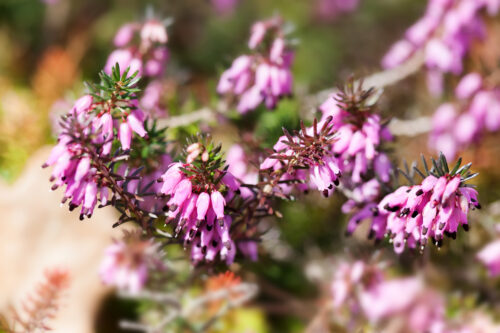
Known for its bushy, full look, the Cross-Leaved Heath grows to about 20 inches tall and features dark green, needle-like leaves. This variety is a bit of a specialist: it loves lime-free, acidic soil mixed with a little sand. It also craves moisture, so don’t let it dry out! It works great in containers, but just a heads-up—if you’re growing it in a pot, make sure to give it some extra protection during a hard frost.
++Winter Heath (Erica carnea)
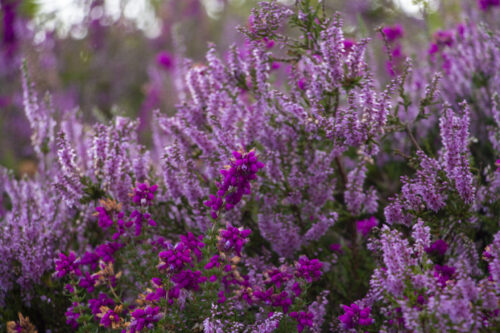
Winter Heath (also known as Snow Heath) is a lifesaver for the winter garden. Its blooming period runs from February to April, providing a much-needed splash of color when everything else is still dormant. It’s incredibly versatile—perfect for flower beds, winter containers, or even as a durable groundcover. It’s not too picky about soil either, doing just fine in sandy or loamy spots.
++Irish Heath (Daboecia)
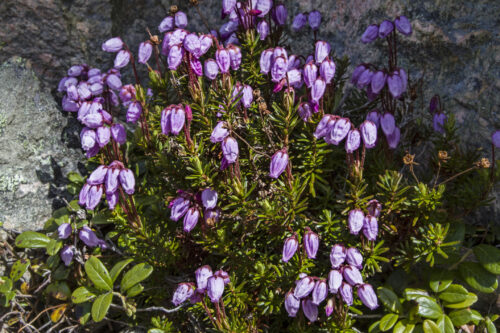
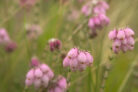
The blooming season for Irish Heath falls between June and September. During those warm summer months, you’ll be treated to beautiful, bell-shaped flowers that hang in delicate clusters. Because of its spreading habit, it makes an excellent groundcover, quickly forming a dense, colorful carpet. It also looks charming spilling over the edges of a patio pot.
++Scotch Heather (Calluna vulgaris)
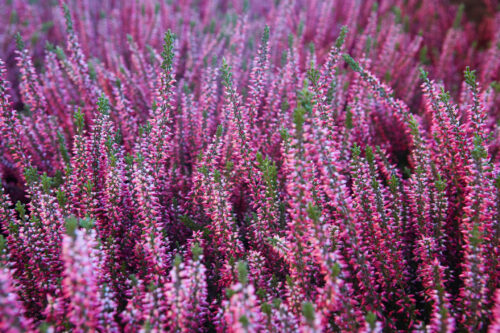
Scotch Heather (or Common Heather) is the iconic plant of the European moors and is a favorite for gardeners everywhere. It’s a long-lived evergreen that can survive for up to 40 years, growing anywhere from 12 inches to 3 feet tall. Thanks to its deep root system, it can find nutrients even in dry, sandy soil. With its tiny leaves and classic pinkish-purple flowers, it’s instantly recognizable and incredibly hardy.
%%Crowberry (Empetrum nigrum “Bernstein”)
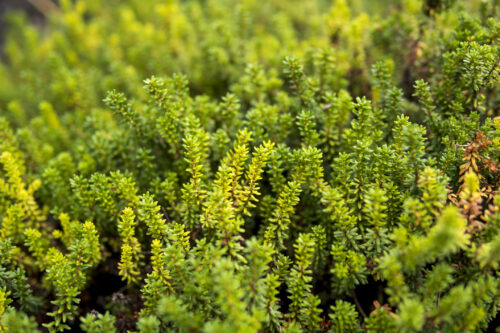
Looking for something a little different that still has that “heath” look? Try the Crowberry. While it isn’t technically a heather, it’s a close look-alike with its needle-like foliage and low, shrubby growth habit. It spreads out beautifully across the ground but also brings that rugged, moorland charm to container gardens.