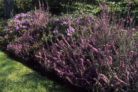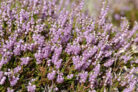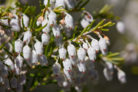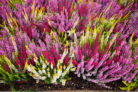
Winter heath (also known as snow heath) often gets confused with common heather (Scotch heather), but there’s a major giveaway: their blooming schedules couldn’t be more different! Winter heath starts showing off its colors in the final stretch of winter, making it a total standout in any garden bed.
Winter Heath: A Delicate Herald of Spring
Not many outdoor plants are tough enough to brave the winter chill and bring a splash of color to a bare garden early in the year. Between February and April, snow heath offers up delicate blooms that provide that first real “spring is coming” vibe. Plus, it’s a vital early-season food source for hungry pollinators waking up from their winter naps.
The Ultimate Garden All-Rounder
Snow heath is a low-maintenance superstar that is incredibly easy to grow.
Here are a few of my favorite ways to use it:
- As a decorative eye-catcher in window boxes.
- As an elegant, timeless choice for memorial gardens or gravesites.
- As a groundcover to help prevent erosion, soak up rainwater, and improve soil health.
- In a dedicated heath garden to create a cozy habitat for birds and beneficial insects.
Winter heath is extremely frost-resistant and, with just a little bit of love, is a reliable perennial. A quick pruning every year in the spring or summer will rejuvenate the plant and ensure an even more spectacular floral show the following year.
From the Mountains to Your Backyard
Snow heath belongs to the Ericaceae family and originally hails from the mountainous regions of Europe. In the wild, these rugged plants grow in the Alps at altitudes of up to 8,000 feet! You can also find them in the Alpine foothills and even as far south as Morocco.
While many of its cousins prefer acidic soil, winter heath is a bit unique—it actually thrives in areas with lime-rich or alkaline soil.
When Do Heaths and Heathers Bloom?
Many varieties, like the snow heath, bloom in late winter with colors ranging from crisp white to deep violet.
Here are a few popular varieties to look for:
- Erica carnea ‘Isabell’
This evergreen beauty produces stunning white flowers from February to April. It loves humus-rich, acidic soil and is happy in either sun or shade.
- Erica carnea ‘Wintersonne’ (Winter Sun)
This variety stays compact (growing about 14 inches tall) and shows off bright pink to red blooms from April to July. It prefers sunny to partly shaded spots with gravelly or loamy soil.
- Calluna vulgaris (Scotch Heather/Besenheide)
This upright grower loves sandy or loamy soil in sun or partial shade. Reaching about 15 inches tall, it’s perfect for flower beds and balcony containers. Unlike the winter heath, this one shows off its red blossoms from August all the way through December.