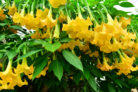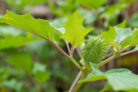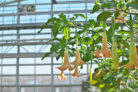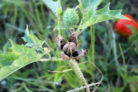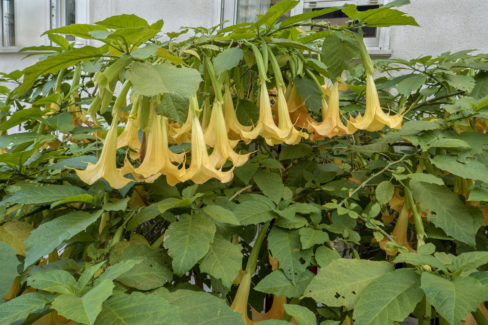
The Angel’s Trumpet (*Brugmansia*) is a total showstopper in any garden, but let’s be real—she’s a bit of a high-maintenance diva. This is especially true when you step outside and notice your beautiful green leaves are starting to look like Swiss cheese. If you see holes appearing, you’ve got to act fast to keep your plant happy.
Dealing with Pests
Holes in your Angel’s Trumpet leaves are a classic “red flag” that pests have moved in. Depending on what the damage looks like, you’re likely dealing with one of these common garden culprits:
- Plant bugs (Lygus bugs)
- Caterpillars
- Slugs and snails
- Earwigs
Plant Bugs
If you’re seeing medium-sized holes scattered across the foliage, plant bugs are the likely suspects. Here’s a pro tip: head out to the garden early in the morning and give your plant a good shake. Since these bugs are still stiff and sluggish in the morning chill, they’ll fall right off, and you can collect them. If that doesn’t do the trick after a few tries, reach for some Neem oil. You could also use a mild soapy water spray, but be careful—Angel’s Trumpets can be a little sensitive to soap.
Caterpillars
If the holes are looking significantly larger, you’ve probably got caterpillars munching away. The good news? Because they’re bigger, they’re much easier to spot. You can usually just hand-pick them off and move them elsewhere. There’s really no need to break out the harsh chemicals for these guys.
Slugs and Snails
Slugs and snails are also famous for leaving giant holes in leaves. Again, hand-picking them is your best bet (usually at night with a flashlight!). To prevent them from coming back, try moving your potted Angel’s Trumpets away from grassy areas or dense flower beds. Keeping them on a paved patio can create a bit of a “moat” that slugs don’t like to cross.
Earwigs
Last but not least, earwigs can sometimes be the cause of leaf damage. However, before you evict them, keep in mind that earwigs also love to eat aphids and mites! Unless they are doing serious damage, I usually recommend leaving them alone. They rarely do enough harm to threaten the blooms, and they might actually help keep other, nastier pests in check.