If you’re thinking about adding a holly bush to your backyard, you’ve come to the right place! Before you grab your shovel, it’s a good idea to get to know this plant’s unique personality and what it needs to really thrive. Here is a handy “cheat sheet” to help you decide if it’s the right fit for your garden.
Names and Family Tree
Most of us just call it “Holly,” but depending on who you ask or where you live, you might hear a few different names:
- European Holly
- Common Holly
- English Holly
- Ilex
The official botanical name is *Ilex aquifolium*. It belongs to the *Ilex* genus and is the star of the *Aquifoliaceae* family.
What Makes Holly Special?
Everyone loves those iconic bright red berries in the fall, but there’s a lot more to this plant than just its holiday looks. Here are the quick facts:
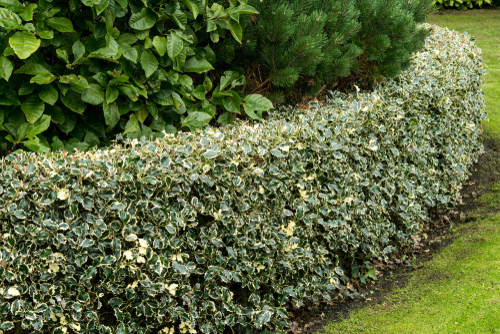
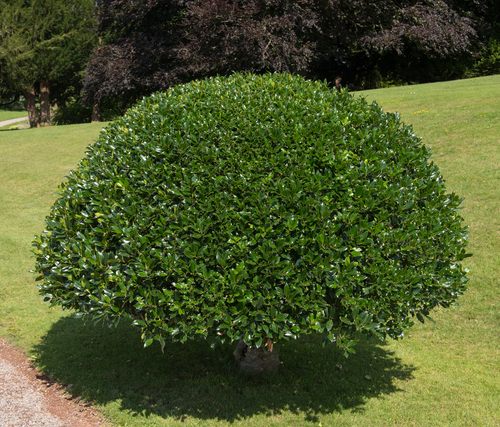
- It’s an evergreen, meaning it stays green all year round.
- It can grow as a shrub or a tall tree (reaching up to 50 feet!).
- It has brown bark, though young twigs start out green.
- It has a deep taproot system.
- It’s very frost-resistant and hardy.
- It’s a long-term commitment—some can live up to 300 years!
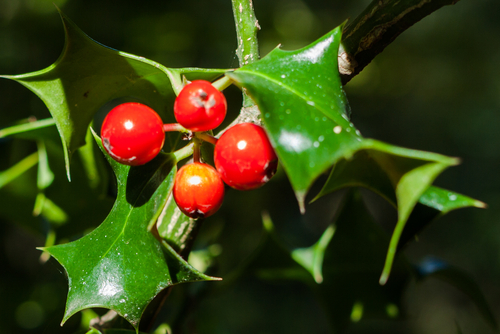
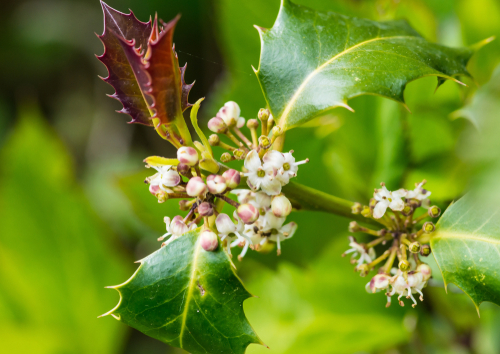
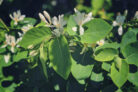
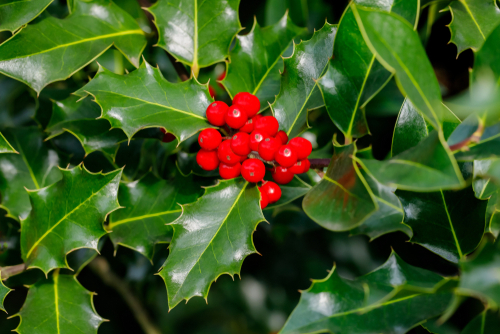
- The leaves are oval, glossy, and famously prickly.
- Leaves grow in an alternating pattern.
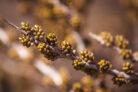
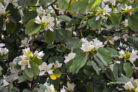
- It produces small, delicate white or cream-colored flowers.
- It is “dioecious” (more on that in a second!).
- It produces those classic red berries.
- Safety Note: The entire plant is toxic to humans and pets, so keep an eye on the little ones.
The “Boy and Girl” Rule
Here’s a pro-tip: Holly is dioecious, which is a fancy way of saying that male and female flowers grow on separate plants. If you want those beautiful red berries in the fall, you’ll need a “couple.” Insects carry pollen from the male plant to the female plant. So, if you want fruit, make sure you plant at least one male holly nearby to keep your female plants happy!
Holly and Conservation
Interestingly, in places like Germany, holly is actually a protected species. While it’s not necessarily endangered, it has a special legal status for a pretty relatable reason: people love it too much!
In the past, folks would head into the woods and strip the trees bare during the holiday season for decorations. In old traditions, holly branches were seen as symbols of good luck and protection against evil, while the red berries represented love. Even churches used holly branches as a substitute for palm fronds. To prevent forests from being over-harvested and to keep our winter landscapes green and beautiful, strict rules were put in place to protect these stunning evergreens.