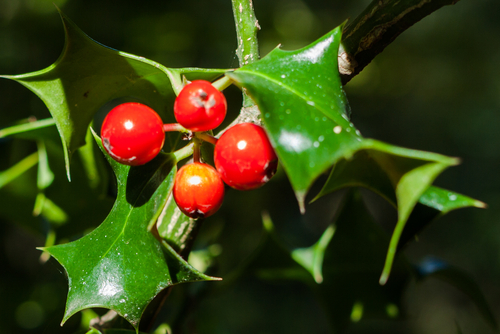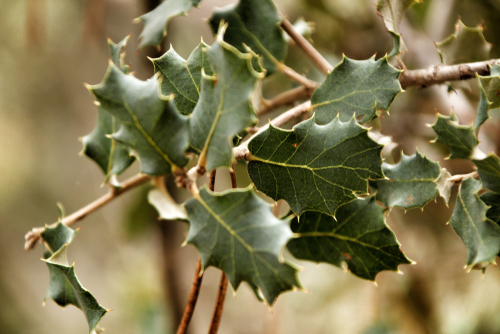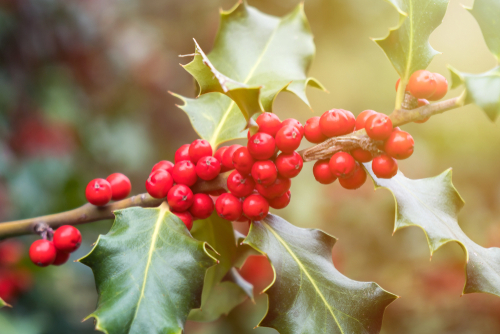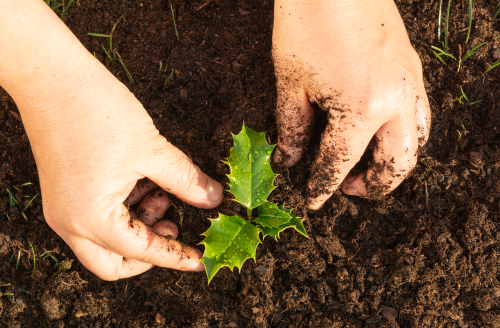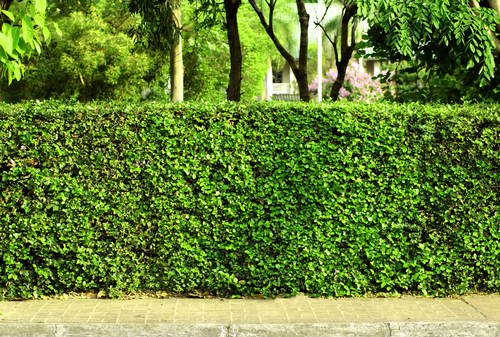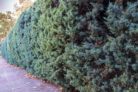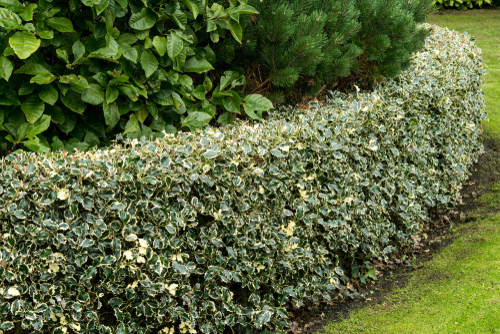
Thanks to their tough-as-nails nature and dense growth, hollies are a fantastic choice for creating a privacy hedge that’s practically impenetrable. If you follow a few simple rules, this evergreen beauty will thrive in your yard for decades.
Which Holly Varieties Work Best for Hedges?
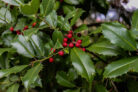
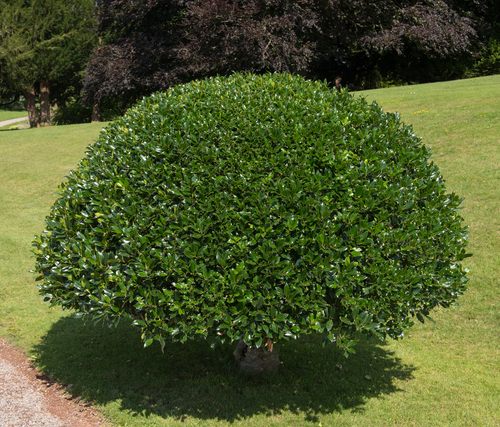
If you’re looking to plant a hedge, your best bets are the English Holly (*Ilex aquifolium*) or the Japanese Holly (*Ilex crenata*). Both are evergreen and incredibly hardy. They provide excellent privacy, and let’s be honest—those prickly leaves are a great natural deterrent for anyone thinking about trespassing!
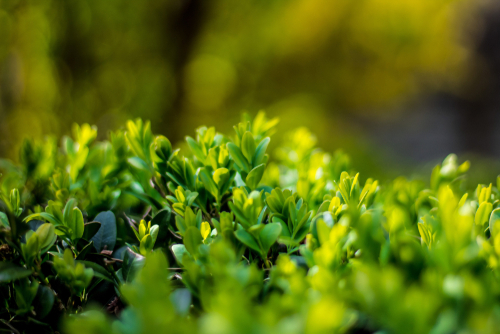
The Japanese Holly (*Ilex crenata*) features smaller leaves and is the perfect “stunt double” for Boxwood. Just like its English cousin, it’s totally winter-hardy, but it handles pruning even better. This makes it a go-to choice for topiary or formal, sharp-edged hedges.
Why You’ll Love a Holly Hedge
Compared to other hedging plants, Holly offers some major perks that make a gardener’s life a whole lot easier:
- It stays green all year round.
- It has a naturally compact growth habit.
- It’s very low-maintenance.
- It provides shelter for birds during the winter.
- It’s extremely frost-resistant.
- English Holly grows slowly, so you usually only need to prune it once a year.
- Japanese Holly is very “forgiving” with shears and can be shaped into designs.
- Japanese Holly is a great alternative if Boxwood blight is a concern.
- Those thorny leaves act as a natural security system.
One thing to keep in mind: the entire plant is toxic, so keep that in mind if you have curious pets or small children.
Planting and Caring for Your Holly Hedge
Whether you go with English or Japanese varieties, these hedges are robust and easy to care for. They grow thick enough to block out the wind and the neighbors’ prying eyes.
When planting, look for a spot that gets full sun to partial shade. Holly loves soil that is loose, nutrient-rich, and consistently moist. These plants aren’t fans of “wet feet” (standing water), but they don’t like drying out either. To keep them happy, I recommend adding some gravel or clay shards to the bottom of the planting hole to help with drainage.
During dry spells—yes, even in the winter!—make sure to give your hedge some extra water. They prefer rainwater or “aged” tap water that isn’t too high in lime.
Since they are slow growers, maintenance is pretty straightforward: just water, prune, and fertilize. Give them a boost in the spring with an organic fertilizer like horn meal or some well-aged compost.
As for pruning, aim to do it before the first new growth appears in spring. Clear out any dead wood and carefully trim the hedge back to your desired shape.
The “Birds and the Bees” of Holly
If you’re planting English Holly and want those iconic bright red berries in the fall, remember that they are “dioecious.” This means you’ll need both female plants and at least one male plant nearby for pollination to happen. No male plant, no berries!