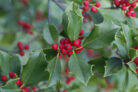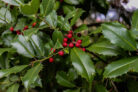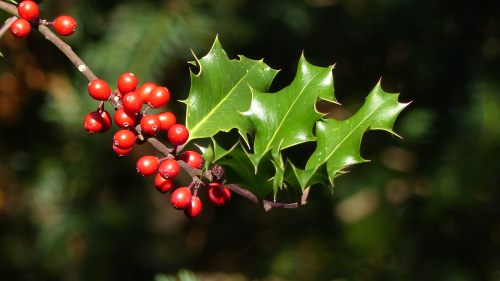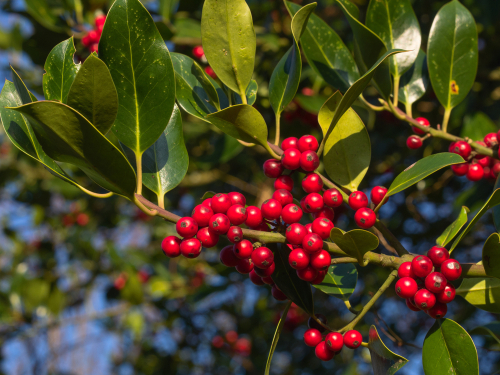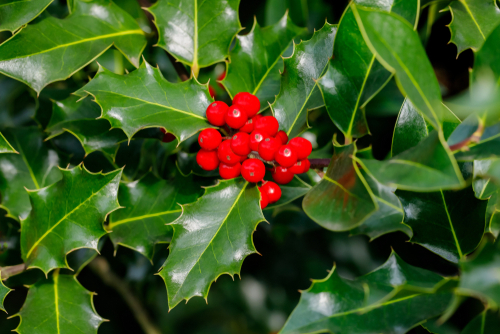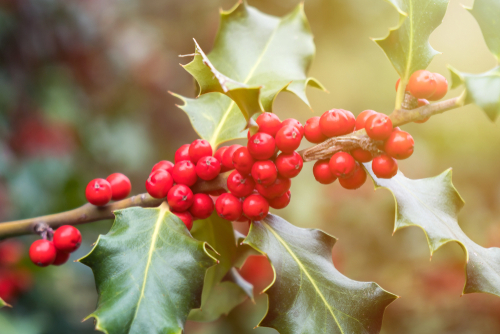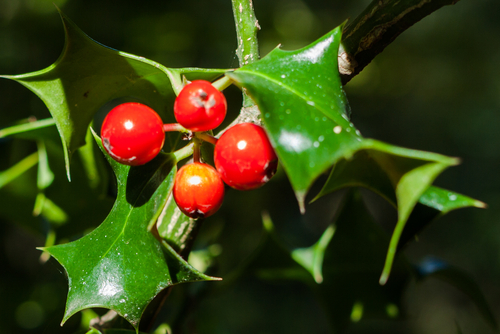
Most of us recognize those iconic holly branches right away—those glossy green leaves and bright red berries are a staple for holiday decorating. But as beautiful as they look on a mantel or a wreath, there’s something every gardener and pet owner needs to know: those berries are definitely not for snacking.
The Berries of the Holly Bush
The Holly (or *Ilex*, if you want to get fancy) is what we call a dioecious plant. In plain English, that means there are separate male and female plants. Only the “ladies” produce those tiny, white flowers in late spring (May to July), which eventually turn into those famous red berries come October.
These berries are about the size of a pea, shiny, and juicy. Inside each one, you’ll find four little stony pits that hold the seeds.
While holly sprigs make gorgeous natural decor, you have to be super careful. Make sure neither kids nor pets get a hold of them, because those festive red fruits contain a toxin that can be quite dangerous.
The Toxicity of the Red Berries
Holly berries contain natural compounds called triterpenes. While they are naturally occurring, they can cause some pretty nasty reactions if ingested. For a small child, eating as few as two berries can lead to:
- Stomach pain
- Nausea
- Vomiting
- Potential drowsiness or changes in consciousness
- In very rare, extreme cases (if a large amount is eaten), it can even be fatal.
If you suspect someone has eaten holly berries, don’t wait—contact Poison Control or get to a doctor immediately.
Our furry friends aren’t safe either. For a dog, just two or three berries can be dangerous. If your pet gets into the holly, a trip to the vet is definitely the right call.
Red Berries as Winter Bird Food
Here’s a cool bit of nature trivia: even though those berries are toxic to us and our pets, they are a vital food source for wild birds! Since the bright red berries stay on the branches all through the cold winter months, they provide a much-needed snack for local birds when other food is scarce.
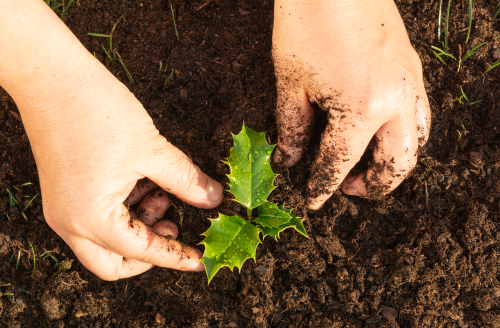
The birds digest the fleshy part of the berry and then “deposit” the hard seeds elsewhere. This is actually how holly spreads—the birds do all the planting work for us!