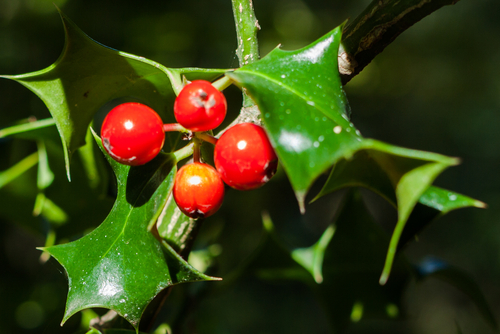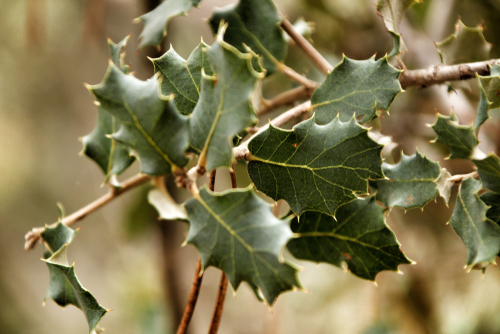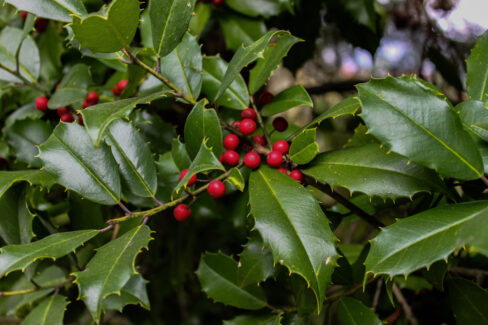
Ilex, or as most of us call it, Holly, is a classic garden staple. While these beauties are known for being somewhat slow growers, you can actually speed things up by giving their roots exactly what they need. If you want a lush, healthy Holly, it all starts underground. Here’s the scoop on how Holly roots grow and how to keep them happy.
Holly: A Deep-Rooted Garden Classic
In the gardening world, we usually talk about two main types of roots: deep taproots that anchor a plant and shallow roots that spread out near the surface to soak up nutrients. Holly is a bit of a hybrid, but it’s primarily considered a deep-rooter.
Specifically, Holly develops what we call a “heart” root system. If you were to look at a cross-section of the soil, the roots form a heart shape—a mix of deep vertical roots and a dense network of lateral branches that knit together into a very sturdy foundation. Because this root system is so strong and persistent, you’ll want to be careful where you plant it. Avoid placing Holly too close to underground pipes or decorative pavers, as those powerful roots can eventually shift things around!
How to Pamper Your Holly Roots
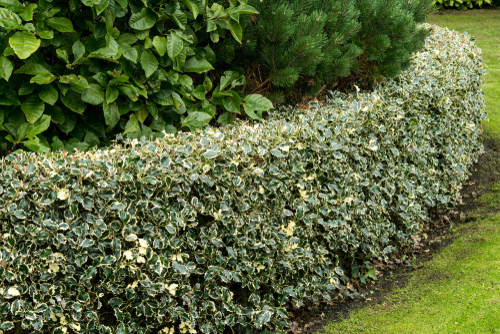
To get the best growth out of your Holly, you need to provide plenty of nutrients right at the source. Mixing some organic humus into the soil is a great way to feed the plant naturally. I also highly recommend applying a layer of mulch over the root zone. This is especially important for young plants that haven’t quite built up the winter hardiness of a mature shrub. Once your Holly is established and thriving, you can start pruning it to your heart’s content. They look absolutely stunning when maintained as a formal hedge!
What Holly roots love most:
- Consistently moist soil (but never soggy!)
- Acidic to neutral soil (they aren’t fans of lime)
- Plenty of humus or leaf compost mixed in
To make sure your Holly doesn’t get “wet feet,” it’s a smart move to add a drainage layer to the hole when planting. This ensures that excess water flows away rather than sitting around the roots and causing rot. By setting up good drainage and fertilizing regularly, you’ll encourage a robust root system. And remember: a strong root system is the secret to a Holly plant that can breeze through a cold winter without a problem.