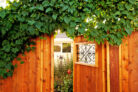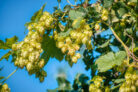
Think hops are just for brewing your favorite IPA? Think again! This versatile climber is actually a secret weapon for home gardeners looking to create a lush, green privacy screen on a balcony or patio. Plus, you can even eat the young shoots or brew a relaxing tea from the cones.
Why Hops Make a Great Privacy Screen
- They grow incredibly fast
- They produce a ton of dense foliage
- They’re super low-maintenance
- You can eat the young shoots and use the cones
- They won’t damage your home’s exterior walls
Hops are climbing superstars that offer way more than just beer ingredients. When you plant them for privacy, they’ll shoot up in no time to give you that secluded vibe you’re looking for. Fun fact: you can actually prepare the young shoots just like asparagus! Between the medicinal uses of the cones and the gorgeous, decorative look of the leaves, there’s a lot to love here.
Hops Grow Like Crazy
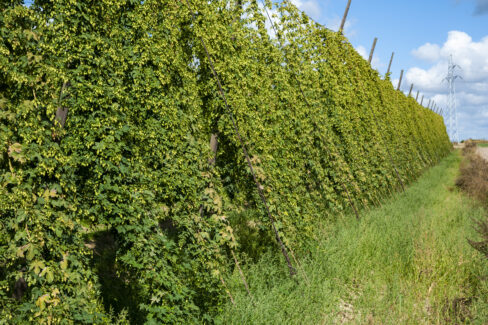
Hops are some of the first plants to wake up in the spring. If the weather is right and they have plenty of sun and nutrients, these plants can grow up to three feet in a single week! While commercial hops can reach heights of about 25 feet, they’ll stay a bit more manageable if you grow them in a large container.
Keep in Mind: No Winter Privacy
From spring through fall, hops provide a fantastic green wall for your balcony or deck. However, keep in mind that hops are perennials that die back to the ground in the winter. This means you’ll lose that privacy screen once the cold weather hits.
In the fall, you can tidy the plant up a bit as it starts to go dormant, but wait until early spring—just before the new growth starts—to give it a real heavy pruning.
Don’t Forget the Trellis
Hops are climbers by nature and they want to go high, so they’ll need something to grab onto. If you plant them against a house wall, they’ll climb right up without causing the kind of structural damage you’d see with something like English ivy. If you’re growing them on a balcony, your railing might do the trick, but providing a dedicated trellis or some sturdy twine is always a great idea to help them reach their full potential.