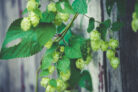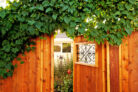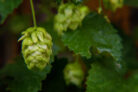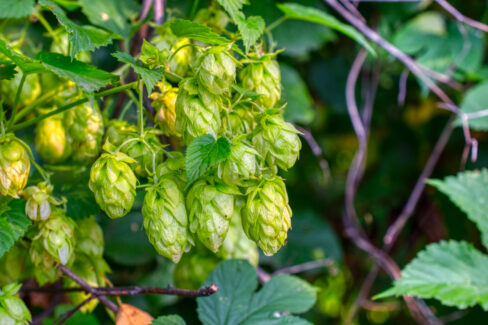
Hops are an incredibly low-maintenance climbing plant that pull double duty as both a beautiful ornamental and a useful harvest plant. The secret to success lies in picking the perfect spot. Where you plant your hops directly impacts how fast they grow and, more importantly, helps keep pests and diseases at bay.
What Makes a Great Location?
- Full sun to partial shade
- A bit of protection from the wind
- Plenty of vertical space for climbing
- Existing railings or fences work great
- Rich, well-draining soil
- No standing water (wet feet)
- Consistent moisture (don’t let it bone dry)
To really thrive, hops need a sunny to partially shaded home. A spot that’s shielded from harsh winds is ideal. Since these vines love to reach for the sky, you’ll need to provide a sturdy trellis or support system. You can set up a formal lattice, use simple poles or twine, use them for greening up a pergola, or even let them scramble up a balcony railing.
Caring for Your Hops
Hops are hungry plants, so start with nutrient-rich soil. I recommend feeding them once a month with a quality vegetable fertilizer. Keep a close eye on the moisture levels—the soil should never dry out completely, but you also want to avoid soggy, standing water. If you’re growing in pots, make sure there are plenty of drainage holes. If your garden soil is a bit too dense or clay-heavy, mix in some sand to improve drainage and add some mature compost to keep it nice and loose.
Growing Hops on a Balcony
If you’re looking to create a lush, natural privacy screen on your balcony, hops are a fantastic choice! Just make sure you use a large enough container so the roots have room to roam. A southeast or southwest-facing balcony is usually the “sweet spot” for light. If you let the vines climb your balcony railing, they’ll eventually spill over the top and create a beautiful cascading effect. Just keep in mind: hops are programmed to climb, so if they run out of vertical support, they’ll stop growing taller.