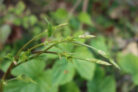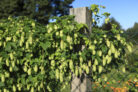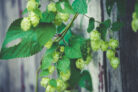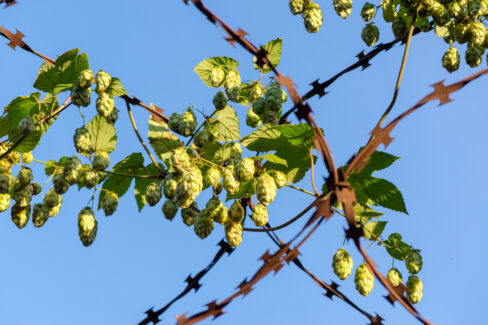
Hops are incredibly fast growers, making them a fantastic choice if you’re looking for a natural privacy screen. These plants love to climb up house walls and trees, but they’re just as happy in a container as long as you provide a sturdy trellis. Whether you have a sprawling backyard or a cozy balcony, you can definitely try your hand at growing hops.
Hops: Garden Bed or Container?
Hops aren’t just for brewing your favorite IPA! They’re also well-known medicinal plants and are frequently found growing wild. If you’re planning to add some to your garden, keep in mind that they need plenty of vertical space and a solid support system because they reach impressive heights. If you decide to grow them in a pot, make sure to keep them well-watered—just be careful to avoid “wet feet” (standing water), as they don’t like to sit in soggy soil.
Just How Big Do They Get?
- Wild Hops: Up to 30 feet
- Common Hops: Up to 23 feet
- Daily Growth: About 4 inches
When planting hops, never underestimate their climbing power. Wild varieties can soar up to 30 feet high. Even when grown in a container, hops can reach a pretty remarkable height of around 23 feet. Under the right conditions with plenty of sun, these plants can actually grow about four inches in a single day!
Caring for Your Climbers
Because hops produce so many shoots and climbing vines, you’ll need to do a little pruning to keep things under control. It’s best to trim back most of the growth, leaving only about four to six main vines. A good rule of thumb: the more shoots you leave, the shorter the plant will stay. You’ll also want to set up some wires as a climbing aid or use sturdy garden stakes. If you’re growing them on a balcony, the railing or a simple trellis works perfectly.
Fun Facts About How They Grow
Here’s a cool tip: hop plants are “clockwise” climbers. This means the vines always wind themselves to the right around a support. When you’re helping your hops find their way up a trellis, make sure to guide them in that clockwise direction. If you try to force them the other way, the plant might actually stop growing!