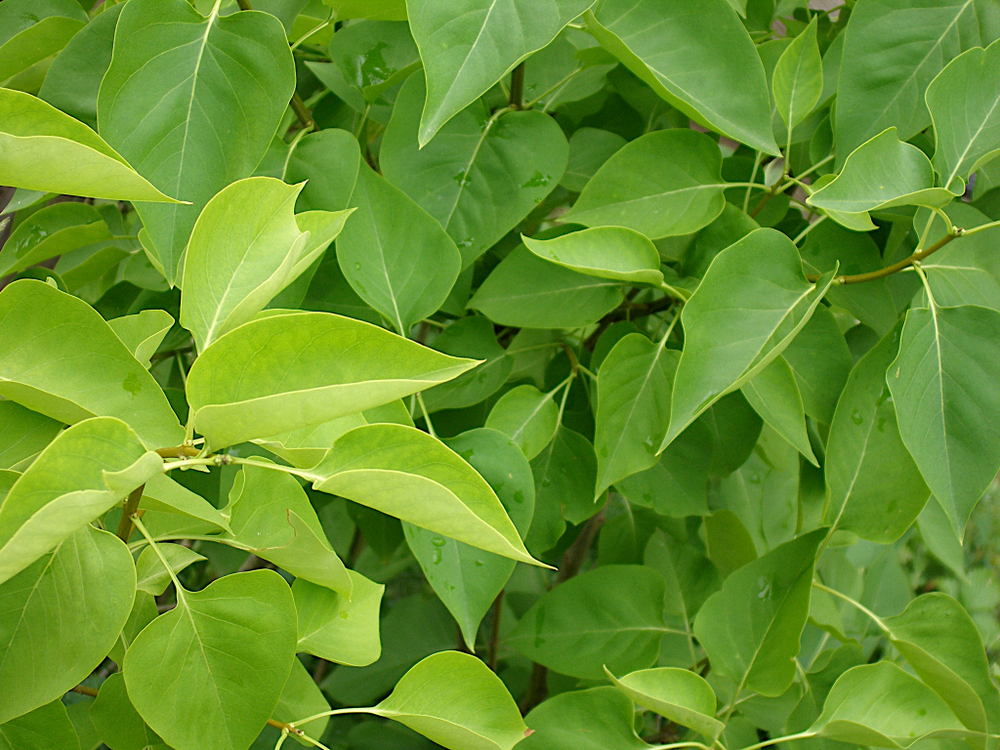
Lilacs are a staple in so many backyards as standalone shrubs, but did you know they make an absolutely stunning hedge? Thanks to their dense growth habit, they’re a fantastic way to create a natural privacy screen that keeps nosy neighbors and passersby at bay.
The Perks of a Lilac Hedge
Depending on which variety you choose, these shrubs can reach heights of up to 12 feet, creating a thick wall of green that shields your property perfectly. And let’s not forget the best part: that incredible scent and the sea of purple and white blooms every May! If you aren’t looking for a full privacy screen, you can also use smaller varieties to create beautiful low borders along walkways.
Another reason I love lilac hedges is that they aren’t high-maintenance divas. They don’t need a ton of water once established, and pruning is pretty straightforward. You’ll want to deadhead the spent flowers and give the hedge a light “haircut” once a year to keep its shape. Just a heads-up: don’t go too crazy with the shears! If you prune too aggressively, your lilac might go on a “bloom strike” the following year. You can find more pro tips on lilac care and how to prune lilacs after they bloom right here.
One more plus? Despite that intoxicating fragrance, most garden pests leave lilacs alone. The leaves and flowers have a bitter taste that makes them pretty unappealing to critters. However, you *will* get plenty of winged visitors—butterflies love them! Plus, planting plenty of lilacs (especially Butterfly Bush varieties) is a great way to support our local bee populations, which is something we should all be doing these days.
How to Plant Your Lilac Privacy Screen
If you’re aiming for a solid hedge, the trick is to plant them a bit closer together than you would for a standalone shrub. This is the secret to getting that dense, “no-peeking” growth. I recommend planting about four shrubs per yard, making sure to keep the spacing even. This ensures the hedge fills in tightly, making it almost impossible to see through.
When you’re digging your holes, try mixing some compost and horn meal into the soil—it gives the young plants a great nutrient boost to help them get established. Once they’re in the ground, give your new hedge a good soak. While older lilacs are pretty drought-tolerant thanks to their deep root systems, the “babies” need consistent moisture to thrive. Want to dive deeper? Check out this article for more on growing a lilac hedge.