If you want your garden to pop with color and smell like a dream, getting to know the hyacinth is a total game-changer. Whether you’re a seasoned pro or just starting your green thumb journey, there’s always something new to learn about these spring beauties. Check out this quick guide to see how well you know this classic bloom—you might just find a few surprises!
The Basics
Names & Varieties
- Common Name: Hyacinth
- Botanical Name: Hyacinthus orientalis subsp. orientalis
Plant Family
- Part of the Asparagus family (Asparagaceae)
- Over 1,000 different varieties exist!
- Root type: Bulb
Origins
- Central Asia
- The Balkans
Pro Tip: Did you know hyacinths have been around since ancient times? Thousands of years ago, people called them “Blue Stars” to highlight their stunning, vibrant petals.
Best Uses
- Garden beds or patio containers
- Gorgeous cut flowers for bouquets
Bloom Time
- Spring (typically March through May)
- Each bloom lasts about 3 weeks
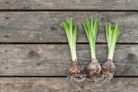
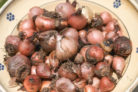
The Bulb
- Average bulb size: Around 17 cm (roughly 6.5 inches)
- Range: Usually between 15 cm and 19 cm
Pro Tip: If you see bulbs labeled “Extra Large” (19 cm+), grab them! These produce the biggest, showiest flower spikes.
Propagation
- Seeds
- Offset bulbs (the most common and easiest way)
Winter Hardiness
- Very hardy; they handle freezing temperatures like a champ.
Lifespan
- Perennial (they come back every year!)
- Can live up to 15 years.
Toxicity Note
- Keep away from pets and kiddos! They contain saponins, calcium oxalate, and salicylic acid, which can be irritating.
Appearance
Growth Habit
- Height: Up to 12 inches (30 cm)
- Form: Upright and herbaceous
The Flowers
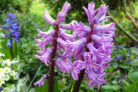
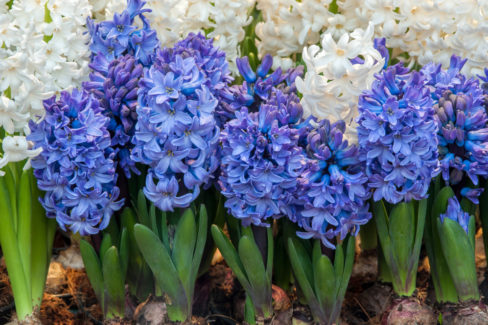
- Six-petaled and bell-shaped
- Up to 40 tiny flowers per stem
- Grow in dense, beautiful clusters (racemes)
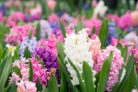
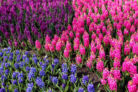
Color Palette
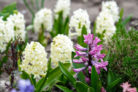
- White, Yellow, Orange
- Pink, Salmon, Red
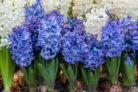
- Violet, Light Blue, Dark Blue
- Even Black!
Foliage
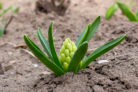
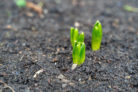
- Glossy, bright green
- Long, strap-like leaves that taper to a point
Planting & Care
Finding the Right Spot
- Full sun is best.
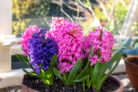
- They work great indoors too (just find a bright windowsill).
- Perfect for cottage gardens or rock gardens.
Soil Preferences
- Loose, well-draining soil
- Rich in nutrients
Overwintering & Dormancy
- Keep bulbs in a dark, cool spot during their “nap.”
- Slowly reintroduce them to light when it’s time to wake up.
- No water or fertilizer needed during dormancy.
- They need a “chill period” (stratification) to bloom again.
- If they’re in the ground, they don’t need any extra winter protection.
Planting Tips
- Great for both garden beds and pots.
- Planting depth: About 4 inches (10 cm), depending on bulb size.
- When to plant: In the fall before the first frost (or anytime for indoor forcing).
- Mix some compost into the soil for a happy plant.
Watering
- Average water needs; just don’t let them get soggy.
Common Pests
- Nematodes (like leaf eels or threadworms)
Fun Facts & Highlights
- Famous for their incredibly intense, sweet fragrance.
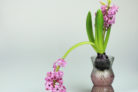
- You can grow them in special “hyacinth glasses” with just water—no soil required! (This is a great way to get Christmas blooms).
- They are super easy to find at garden centers.
- Low maintenance and high reward for any spring garden.