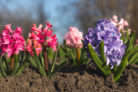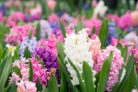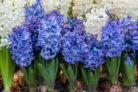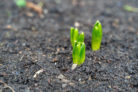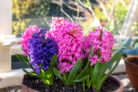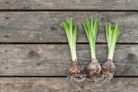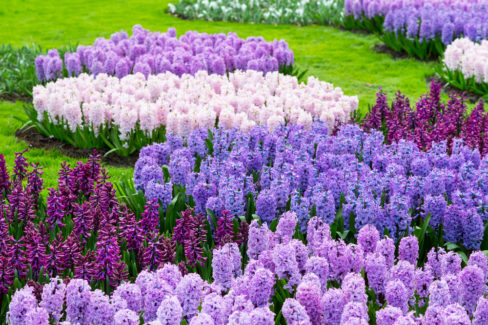
The world of hyacinths (scientifically known as Scilloideae) is way more diverse than you might think! While most of us recognize them by their stunning colors, there’s a whole family of plants sharing these unique traits. Ever wondered what actually makes a hyacinth a hyacinth? Let’s dive into the details.
Botanical Background
Technically speaking, hyacinths are a subfamily of the asparagus family (Asparagaceae). You’ll often hear people mistakenly call them lilies, but they are their own distinct group. Depending on which botanist you ask, there are anywhere from 30 to 70 different genera—the range is so big because some species are pretty tricky to classify! All in all, there are about 1,000 species divided into four main tribes:
- Oziroëeae
- Ornithogaleae
- Urgineeae
- Hyacintheae
The Hyacintheae tribe is the one you’ll most likely spot in a typical American backyard. This group includes some of our favorite garden staples, such as:
- Pineapple lilies (Eucomis)
- Forest lilies (Veltheimia)
- Brimeura
- Bluebells (Hyacinthoides)
- Common Hyacinths (Hyacinthus)
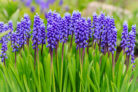
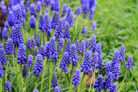
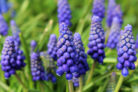
- Grape Hyacinths (Muscari)
- Squill (Scilla)
Origins
Hyacinths have been around since ancient times. They’re originally native to the Mediterranean and regions like Turkey, Iran, and Turkmenistan. From there, they made their way through Israel and eventually spread across Europe, Asia, and into our gardens here in the States.
Vegetative Characteristics
Even though there are “typical” traits for this family, not every variety looks the same. Think of it like a big family where everyone has a different mix of genes! You can identify different members of the family by looking for features like:
- Herbaceous growth that is either upright or acts as groundcover
- Evergreen foliage
- Toxic plant sap (keep an eye on pets!)
- Purple or green-tinted leaves
- Leaf shapes ranging from needle-like and narrow to rosettes or cylindrical forms
Similarities and Differences
One thing almost all hyacinths agree on? They love a warm, sunny spot in the garden. Most of them also make fantastic houseplants if you want to bring some life indoors. They are famous for that intense, sweet fragrance that draws in pollinators every spring. Just a heads-up: if you plant “double-flowered” hybrids, bees and bumblebees might leave disappointed, as these fancy blooms often don’t produce nectar.
The biggest variety you’ll see is in the flower colors. Depending on the species, you can find them in:
- Grayish tones
- Red
- Orange
- Yellow
- White
- Blue and Purple
Pro Tip: One of my personal favorites is the Grape Hyacinth from Turkey. They get their name because their tiny, bell-shaped flowers grow in tight clusters that look just like a bunch of grapes sitting on a stem. They’re a must-have for any spring bulb garden!