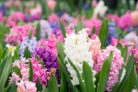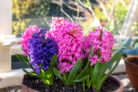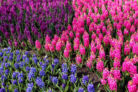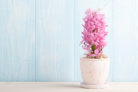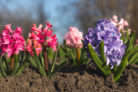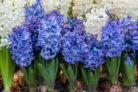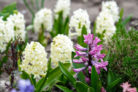
Whether you just picked up some bulbs at the local garden center or you’ve been forcing a hyacinth in a glass jar on your windowsill, these beauties are happiest when they’re outdoors. Along with crocuses and daffodils, they are the ultimate heralds of spring. But when exactly should you get them in the ground? Stick around, and I’ll walk you through everything you need to know.
Picking Out Your Bulbs
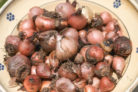
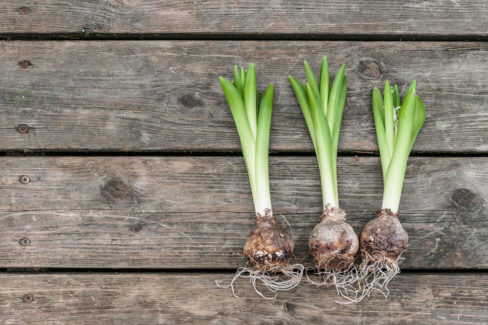
You can find hyacinth bulbs almost year-round at specialty nurseries or even well-stocked grocery stores during the season. Here’s a pro tip: look for the biggest, plumpest bulbs you can find. The larger the bulb, the more spectacular the flower spike will be!
Timing is Everything
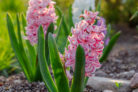
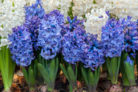
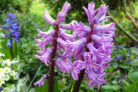
Hyacinths show off their colors from March to May, but the work starts the previous fall. They actually need a period of winter cold (called vernalization) to trigger those blooms, so they’re perfectly happy staying in the ground through the frost. All you need is a little patience.
If you missed the fall planting window, don’t sweat it! You can force them indoors year-round or keep the bulbs in a cool cellar over winter. Just keep in mind that hyacinths forced indoors aren’t quite as hardy or long-lived as their outdoor cousins.
Tip: If you want to be extra careful, give your newly planted bulbs a “blanket” of mulch or dried leaves for their first winter.
How to Plant Your Hyacinths
- Pick a spot in your garden that gets plenty of sunshine.
- Loosen up the soil and clear out any old roots or weeds.
- Mix in a little compost to give the soil a nutrient boost.
- Make sure the soil drains well—hyacinths hate “wet feet.” If your soil is heavy clay, mix in some sand to help with drainage.
- Dig a hole about 2 to 4 inches deep.
- A good rule of thumb: the planting depth should be about twice the height of the bulb, especially if you’re expecting a deep freeze.
- If you’re planting a cluster (which looks amazing!), space the bulbs at least 6 inches apart.
Aftercare Tips
Hyacinths like their soil consistently moist. The sunnier the spot, the more water they’ll need. Just remember: moist is good, but soggy is bad!
As long as your garden soil is healthy, you usually don’t need to worry about extra fertilizer once they’re in the ground.
Overwintering in the Garden
You’ve got two choices: dig the bulbs up in the fall or just leave them be. Since they’re cold-hardy, leaving them in the garden is definitely the easiest route. If you do choose to bring them inside, you’ll need to give them a “fake winter” (stratification) before planting them out again in the spring.
Tip: Heads up! Hyacinths that were forced in a glass jar aren’t frost-hardy. If you’re moving those outside, wait until mid-May when the danger of night frost has passed.
A Quick Safety Note
It’s important to know that all hyacinth varieties contain sap that can be toxic. It can cause skin irritation if you touch it, and it’s dangerous if ingested. If you have curious pets or little ones running around the yard, keep this in mind when choosing a planting spot.
To play it safe, always wear a pair of gardening gloves when handling the bulbs!