Looking to add some privacy to your yard while helping out our local pollinators? You’re in the right place! These plants are fantastic choices for creating a hedge that’s as insect-friendly as it is beautiful. Here’s a breakdown of what makes each of these shrubs special and what to look for when you start planting.
[[pflanzen]]
++Scarlet Firethorn (Pyracantha coccinea)
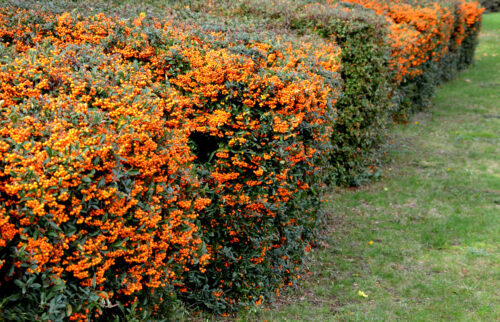
Firethorn is a powerhouse in the garden, reaching anywhere from six to twenty feet tall. Its dense growth habit makes it a perfect natural privacy screen. From April to May, the shrub is covered in countless tiny white flowers that provide a massive feast for insects. Plus, if you plant Firethorn in your yard, the thorny branches offer a safe, protected haven for songbirds to nest.
++European Barberry (Berberis vulgaris)
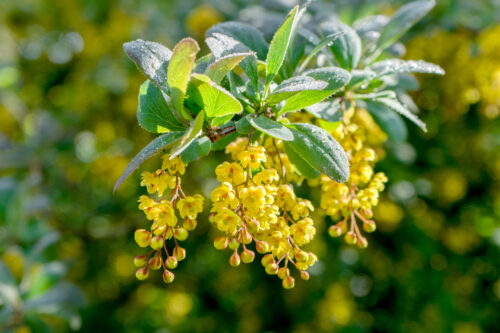
If you’re looking for a “living fence” that keeps prying eyes out, Barberry is a great pick. It grows thick and opaque, and since it’s an evergreen, it stays lush and green even in the dead of winter. The small yellow flowers are a magnet for various bee species. Once the blooms fade, the plant produces bright red berries that local birds absolutely love to snack on.
++European Cranberrybush (Viburnum opulus)

Commonly known as the Highbush Cranberry (though it’s a Viburnum, not a true cranberry!), this shrub is hardy, low-maintenance, and a total buffet for wildlife. While birds go crazy for the berries, pollinators live for the showy white flower clusters that bloom in May and June. Growing between five and thirteen feet tall, it’s just the right size for a substantial garden hedge.
++Snowberry (Symphoricarpos)
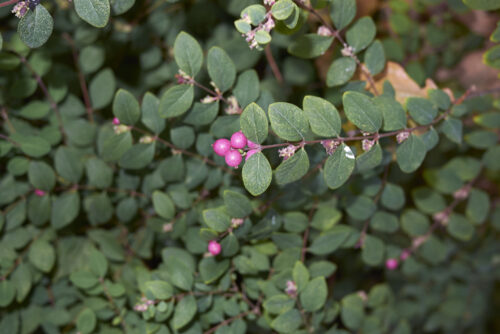
Snowberry is a classic choice for a reason. It features dense, twiggy branches and unique white berries that look like miniature snowballs. These berries often hang on well into the winter, providing visual interest when everything else is bare. From June to September, it produces tiny, bell-shaped flowers. By planting a Snowberry hedge, you’re doing a huge favor for a wide variety of beneficial insects.
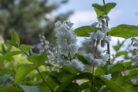
++Common Privet (Ligustrum vulgare)
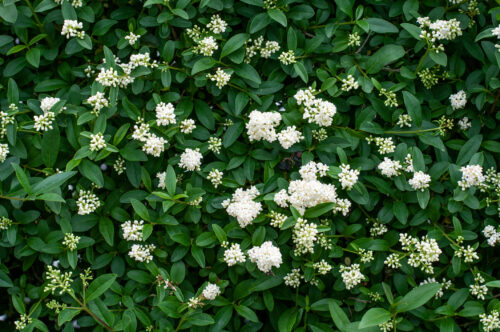
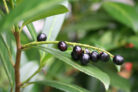
Privet is incredibly tough and doesn’t ask for much in the way of care. It’s famous for how well it handles pruning—you can trim it into crisp, formal shapes, which is why you see it in so many front yards. But it’s not just for looks! Starting in June, it produces a wealth of flowers that attract tons of insects and fill the air with a lovely, sweet fragrance.
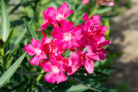
++Rugosa Rose (Rosa rugosa)
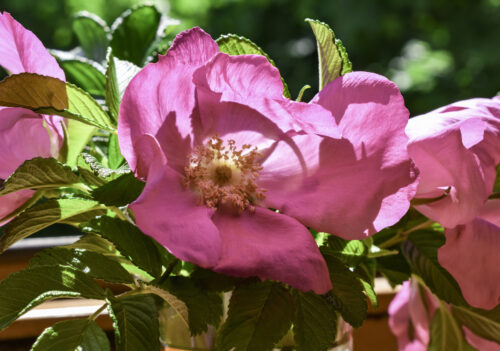
Want a shorter hedge with stunning flowers? A Rugosa Rose hedge is a fantastic way to go. Often called the “Beach Rose,” this plant is incredibly hardy and even thrives in salty coastal air or chilly climates. Its open, fragrant blooms act like a neon sign for bees, drawing them in from all over the neighborhood.
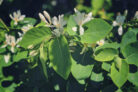
++Sweet Mock Orange (Philadelphus coronarius)
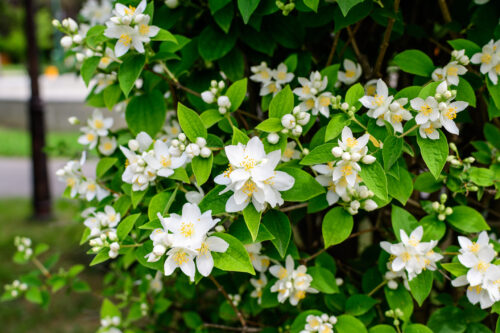
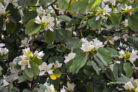
Mock Orange is a sensory delight. As a hedge, it grows thick and lush, but the real star is the blooming season. Starting in May, the shrub turns into a sea of white flowers that smell absolutely heavenly—very similar to orange blossoms. It’s a favorite stop for both useful insects and local birds.
%%Pussy Willow (Salix caprea)
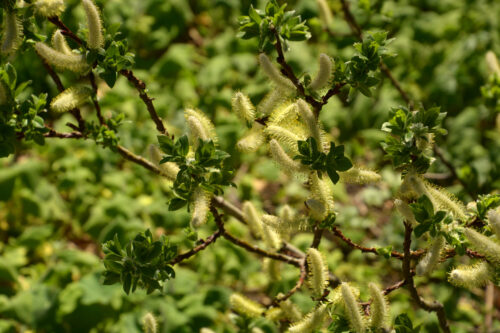
If you want a hedge with a unique look, consider the Pussy Willow. It’s famous for its soft, fuzzy catkins that appear in early spring. You can even snip a few branches to bring indoors for vases and floral arrangements. This fast-growing shrub produces plenty of pollen-rich catkins to feed early-season insects, making it a wonderful foundation for any wildlife-friendly garden.