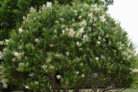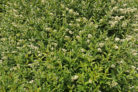
Privet (Ligustrum) is a total classic in the gardening world, and for good reason! Thanks to its fast growth and dense foliage, it’s one of the best choices out there for a privacy hedge. I’ve put together a quick cheat sheet to help you get to know this versatile shrub.
Privet at a Glance: The Quick Facts
Here’s the lowdown on everything you need to know about privet:
- Botanical Name: Its official name is *Ligustrum*.
- Common Names: You might hear it called European Privet or Common Privet.
- Family: It’s actually a member of the olive family (*Oleaceae*).
- Origin: There are over 50 species native to Europe and Asia.
- Size & Longevity: It can reach heights of up to 16 feet and live for over 50 years.
- Sunlight: The perfect spot is anywhere from full sun to partial shade. Try to avoid deep, full shade.
- Soil: It loves loose, well-draining soil.
- Roots: It has a shallow but very dense root system.
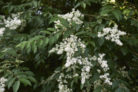
- Foliage: Most varieties are deciduous, meaning they’ll drop their leaves in the fall and winter.
- Hardiness: Almost all varieties are fully winter-hardy (though some non-native types can be a bit finicky).
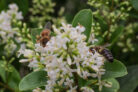
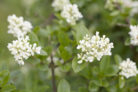
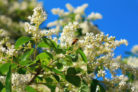
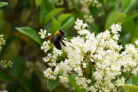
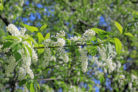
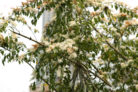
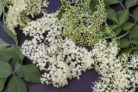
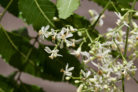
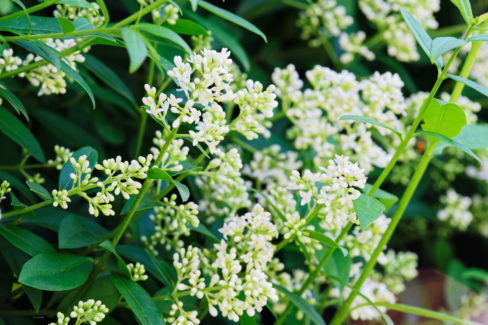
- Flowers: In June and July, it produces small, white, highly fragrant blossoms.
- Berries: After the bees do their work, dark round berries appear in the fall.
- Toxicity: Heads up—the leaves, berries, seeds, and bark are toxic to humans.
- Wildlife Friendly: While we can’t eat the berries, birds and insects love the flowers and fruit!
- Versatility: It works great as a hedge, a standalone specimen shrub, or even a bonsai.
A Low-Maintenance Garden Hero
One of the reasons I love privet is that it’s just so easygoing. It’s not picky about where it lives and doesn’t require much fuss. Because it grows so densely and handles pruning like a champ, it’s the ultimate choice for creating a living “wall” or hedge in your yard.
Deciduous, Not Evergreen
There’s a common myth that privet is evergreen. In reality, it’s mostly deciduous, shedding its leaves when the cold hits. However, if you want a bit more winter coverage, look for varieties like *Ligustrum atrovirens*—they tend to hold onto their leaves much longer into the winter than others.
Privet vs. Cherry Laurel
People often compare privet to cherry laurel, or even mix them up entirely. While they look similar at a glance, they are quite different. From an eco-friendly perspective, I always recommend going with privet. Since it’s native to many regions, it supports our local wildlife, whereas the non-native cherry laurel doesn’t offer much for the local birds and bees.