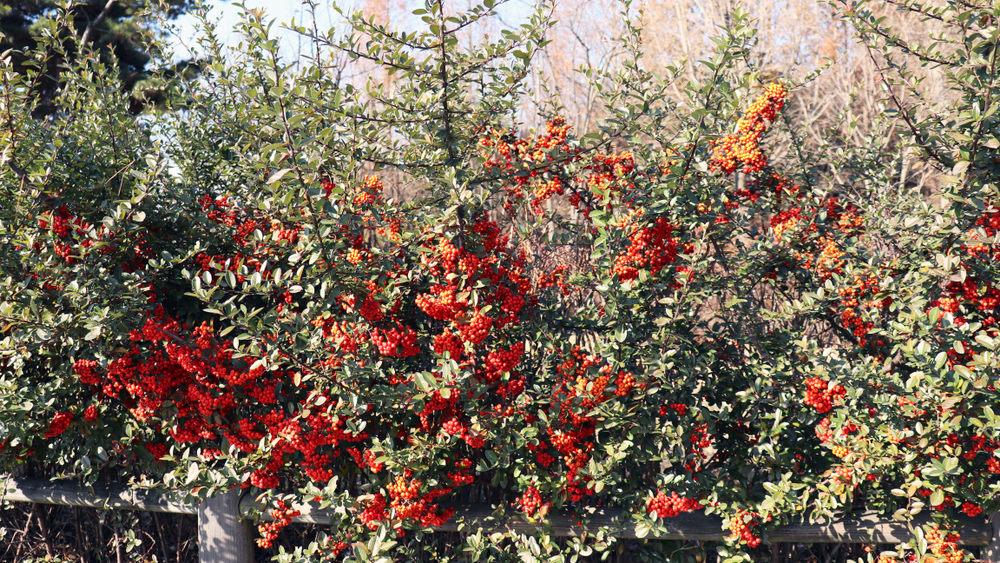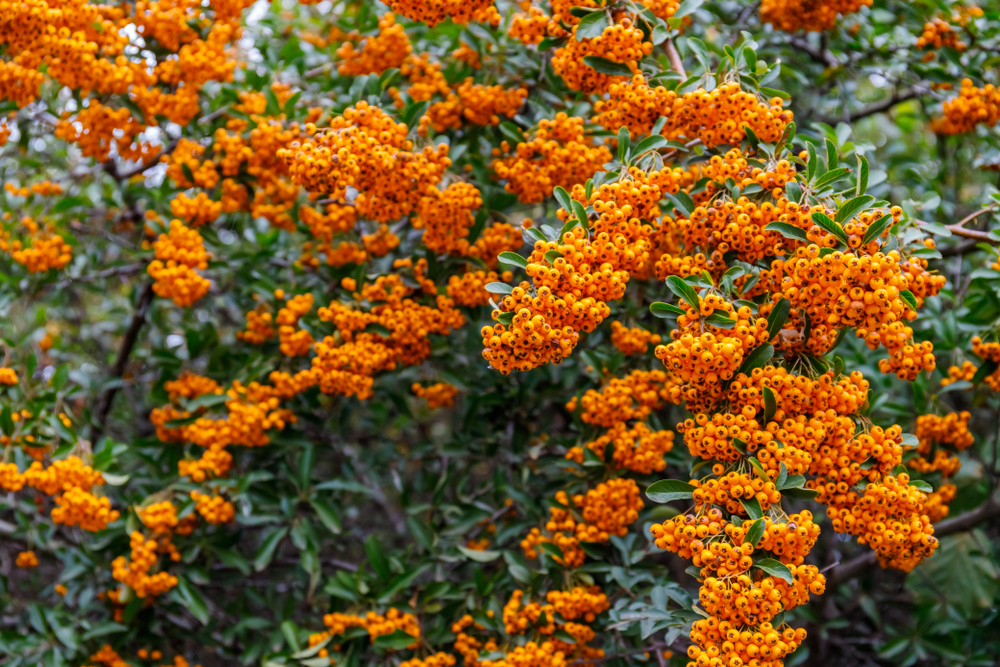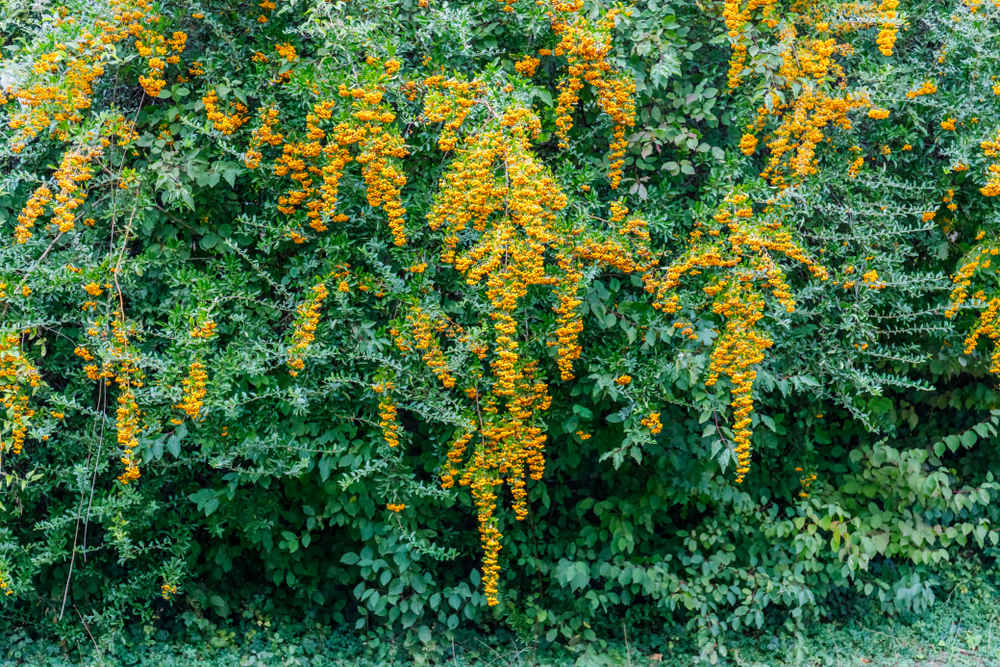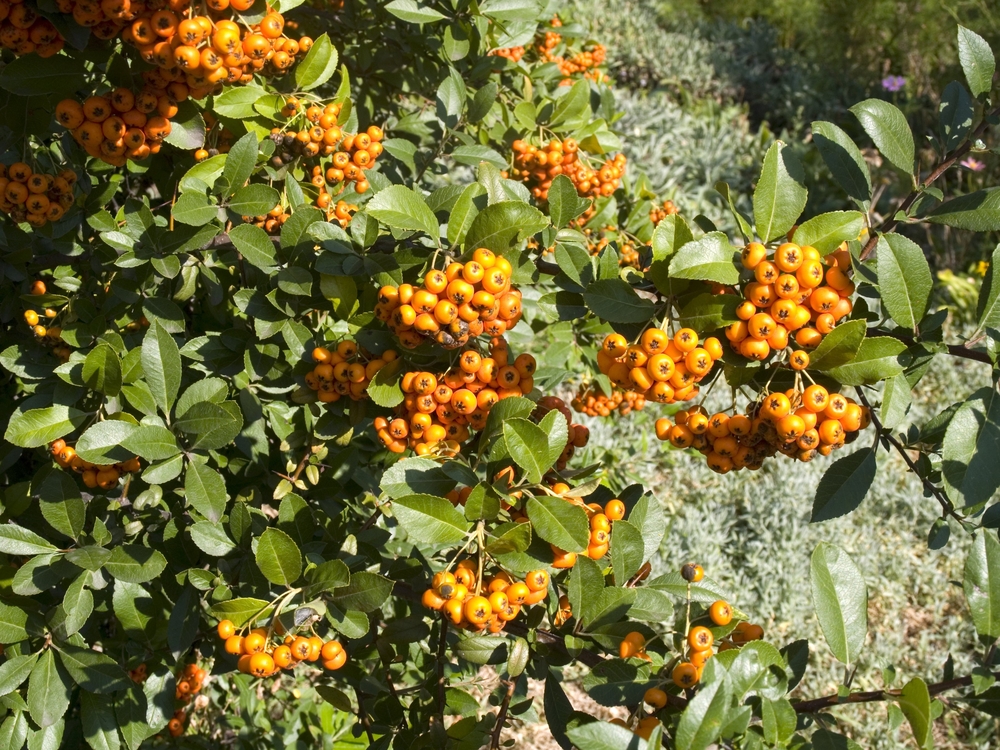
With its vibrant evergreen foliage, colorful berries, and delicate blooms, Firethorn (Pyracantha) is a total showstopper—whether you’re using it as a privacy hedge or a standalone focal point. The best part? It’s incredibly low-maintenance. However, if you want your Firethorn to really thrive, there are a few “pro tips” to keep in mind when getting it into the ground.
Planting: Timing is Everything (Almost)
Most of the time, you’ll find Firethorn sold in containers at your local nursery or garden center. This means you can technically plant it year-round. That said, if you want the best results, I recommend getting it in the ground between March and August. This gives the roots plenty of time to get established before the deep winter chill sets in.
The actual planting process is pretty straightforward, but don’t bury it too deep! You want the top of the root ball to be level with the soil surface. If you’re dreaming of a lush, thick hedge, a good rule of thumb is to space out about three plants for every yard of fencing.
Finding the Perfect Spot
While the planting process is easy, picking the right location is where you really need to pay attention. Firethorn isn’t picky about temperature—it’s tough enough to handle frost and heat waves alike—but it is a total sun-worshipper. To get those iconic bright berries, you’ll want to pick a spot that gets full sun for most of the day.
It can handle a bit of partial shade if necessary, but it’ll really struggle in full shade. Soil drainage is the other big factor; Firethorn hates “wet feet.” If your garden has heavy clay soil, make sure to mix in some sand or fine gravel to loosen things up before planting.
Here’s your quick checklist for success:
- Aim to plant between March and August.
- Pick the sunniest spot in your yard.
- Ensure the soil drains well (no standing water!).
Low-Key Maintenance
As I mentioned, Firethorn is a “set it and forget it” kind of plant when it comes to care . Once it’s established, you usually won’t even need to water it during a hot summer. If your soil is a bit on the sandy or nutrient-poor side, just toss a layer of mature compost around the base in the spring. That’s usually all the “food” it needs to stay happy and healthy!