Irish Moss (Sagina subulata) is a hardy little perennial from the carnation family that can look absolutely stunning in your garden year after year if it’s in the right spot. But here’s the kicker: even though it’s technically winter-hardy, it’s also a bit short-lived. It’s not uncommon for some patches to fizzle out over the winter months.
Hardy, but Short-Lived
Irish Moss is tough enough to handle double-digit freezing temperatures without breaking a sweat. However, because it doesn’t have a super long lifespan, you might notice some of your green carpet dying off after winter. Usually, it’s not the frost that killed it—it’s just the plant’s natural cycle. The good news? It’s a pro at self-seeding, so it usually does a great job of replenishing itself without much help from you.
Overwintering Outdoors
For the most part, letting your Irish Moss stay outside all winter is perfectly fine, especially for established, healthy plants. If you want to make sure yours makes it through to spring, keep these three things in mind:
- Get your seeds or plants in the ground early enough.
- Prep the area correctly before the first frost.
- Keep up with the right maintenance during the cold months.
Prepping Your Irish Moss for Winter
Preparation is key! If you’re planting or sowing, make sure you get it done by fall at the latest so the plants have time to toughen up before the big chill. Also, you’ll want to stop fertilizing around July. This helps the plant naturally slow down and get ready for its winter dormancy.
Don’t Cover Your Irish Moss
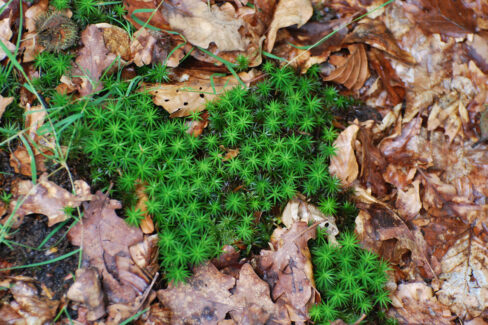
Here’s a mistake a lot of gardeners make: covering Irish Moss with mulch or garden fleece. Don’t do it! These covers trap way too much moisture, and Irish Moss hates being soggy. To prevent mold and rot, make sure you rake away any fallen leaves from nearby trees as soon as they land on your moss.
Preventing Root Rot
The biggest winter enemy for Irish Moss is root rot. This usually happens in heavy, compacted soil where rain and melted snow just sit there. When you first plant it, make sure the soil is nice and loose. Mixing in some sand, gravel, or compost will help with drainage and keep those roots from drowning.
Fixing Bare Patches in Spring
If you walk out in the spring and see some “bald spots” in your green carpet, don’t panic—it’s likely just those short-lived plants reaching the end of their run. It’s an easy fix: just snip off some side shoots from the healthy areas and transplant them into the bare spots. They’ll fill back in before you know it!