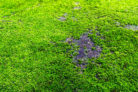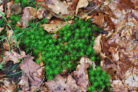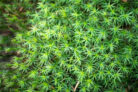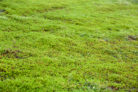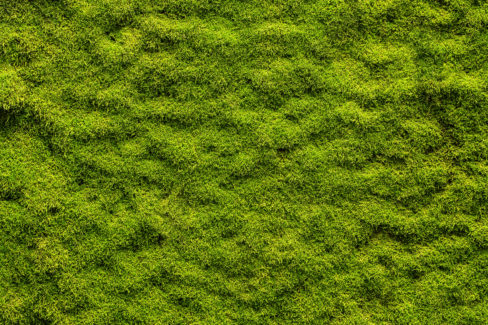
Thanks to its low-profile and spreading growth habit, moss is one of nature’s best ground covers. While we usually think of those lush green carpets in deep forests or wild meadows, moss is actually a fantastic option for your own backyard.
That Signature Growth Habit
Moss grows wide rather than tall, staying hugged tight to the earth. This low-slung profile is exactly what makes it such an ideal choice for covering bare ground.
The Perfect Spot for a Lush Green Carpet
If you want your moss to really take off and grow into a thick, velvety rug, you need to give it the right environment. A dense, healthy moss carpet thrives best in spots that are:
- Shady to partially shady
- Cool
- Consistently moist
- Slightly acidic (aim for a pH level between 5 and 6)
Creative Ways to Use Moss
Because of its versatile nature, moss isn’t just a great alternative to a traditional lawn. It’s also perfect for:
- Planting under deciduous or evergreen trees
- Filling in the gaps under hedges
- Adding a “lived-in” green touch to stones and garden walls
How to Get Your Moss Started
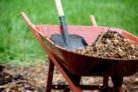
If the conditions are right, moss will often show up and spread all on its own. But if you want to establish it in a specific area, you can give it a little nudge. Start by prepping the ground with a layer of peat or compost to encourage growth. Take small clumps of moss and press them into the soil about four inches apart. Give them a good soak immediately, and make sure to keep the area consistently damp for the first few days.
Before long, those individual patches will knit together into a solid, vibrant green carpet that covers the ground beautifully.
The Pros and Cons of a Mossy Garden
Like any landscaping choice, using moss as a ground cover comes with its own set of ups and downs.
The Big Perks
The biggest plus? Moss is a super practical and budget-friendly way to green up those “problem areas” where nothing else seems to grow. Since it loves damp, shady corners, it’s the perfect solution for the dark spots under trees and hedges where grass usually fails.
A Few Drawbacks
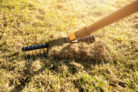
If you’re thinking about using moss as a lawn replacement, keep in mind that it’s not very durable. It doesn’t handle heavy foot traffic well, and on rainy days, it can get pretty slippery. Plus, because moss doesn’t have traditional deep roots, it won’t do much to crowd out or suppress stubborn weeds.