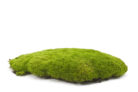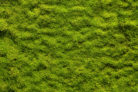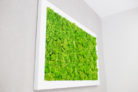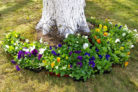
Gone are the days when moss was just considered a pesky weed! Nowadays, savvy gardeners are using this lush, green spore-bearing plant to add a magical, velvety touch to their outdoor spaces. If you’re looking to decorate your garden with a bit of moss, there are a few things you should keep in mind—especially when it comes to picking the perfect spot for it to thrive.
Finding the Sweet Spot for Your Moss
In the wild, you’ll mostly find moss in forests, clinging to trees, tucked into meadows, or lining the banks of streams. When you’re settling moss into your own garden, your best bet is to mimic those natural conditions.
Moss is happiest in a shady or at least semi-shady spot. You’ll definitely want to avoid areas with harsh, direct sunlight. While some tough moss species can handle the sun, they’re a lot more high-maintenance. If you go the sunny route, regular watering is a must to keep this moisture-loving plant from drying out and turning crispy.
As for the soil, moss likes it slightly damp but not swampy (standing water is a no-no). It prefers acidic soil with a pH between 5 and 6. The best part? You don’t need fancy, nutrient-rich soil. In fact, moss actually does better in “poor” soil. Since it doesn’t have traditional roots, it can’t really pull nutrients from the ground anyway.
So Many Ways to Grow It
Because moss is rootless and relatively low-maintenance, its unique growth habit makes it incredibly versatile for both indoor and outdoor projects. You can use it:
- As a lush groundcover for those bare spots in the garden.
- As a lawn alternative.
- Tied to branches or stones or used to “green up” old stone walls.
- To help cultivate orchids.
- To decorate aquariums and terrariums.
- Or simply as a beautiful indoor plant.
How to Propagate Your Moss
To get started, you’ll need some “starter” plants. You can either take small patches of existing moss from one area and transplant them to a new spot, or you can try your hand at growing your own from scratch.
To grow it yourself, you can collect spores or buy them at a garden center. Place them in a starter container with the right substrate, and after a few weeks, you’ll see tiny green cushions forming that are ready to be moved into your garden.
When is the Best Time to Plant?
Technically, you can plant moss year-round. However, since it’s happiest when temperatures are between 60°F and 70°F (15–20°C), the months from April to September are usually the sweet spot. Since moss doesn’t have roots, you don’t have to worry about a “rooting” period—it just needs time to settle in.
Planting Moss as a Groundcover
If you’re dreaming of a mossy carpet or a lawn alternative, you’ll need to prep the ground first. Clear out any weeds so the moss doesn’t have to compete for space. If your soil isn’t acidic enough, you can mix in a little peat or bog soil to lower the pH.
Give the area a good soak, place your moss patches on the soil, and press them down firmly. To get that dense “carpet” look quickly, keep the patches no more than four inches (10 cm) apart. They’ll grow together into a solid green rug in no time.
Because it loves shade and cool spots, moss is the perfect solution for those tricky garden corners where other plants struggle. It also looks fantastic tucked under evergreens, leafy trees, or shrubs.
Attaching Moss to Surfaces
Since moss doesn’t need soil to grow, you can get creative and attach it to almost anything—even rocks and walls! To help it “stick” better, some gardeners spray the surface with a little diluted nettle tea before placing the moss.
Want to cover a vertical or rounded surface? Try the “moss milkshake” trick: blend a handful of moss with two cups of buttermilk and two cups of water until it’s a creamy consistency. Paint this mixture onto almost any surface, and it acts as a starter “glue” to help the moss take hold.
Moss as a Houseplant
Moss isn’t just for the backyard; it’s a great indoor companion, too. You can grow it on its own in decorative bowls or use it as a green “mulch” for bonsais and other potted plants. Certain species even love being fully submerged, making them perfect for aquariums.
And if you’re an orchid lover, moss is your best friend. It acts as a natural water reservoir for those aerial roots and is great for encouraging new growth on orchid offsets (babies).