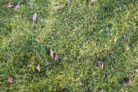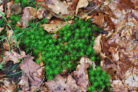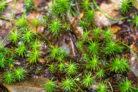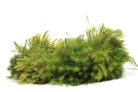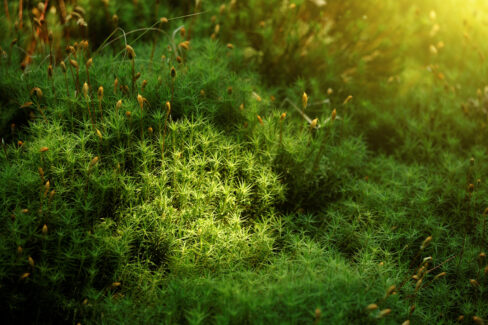
Irish Moss (Sagina subulata) is a member of the pink family, and it’s pretty savvy when it comes to sticking around. It naturally spreads through self-seeding and by sending out little runners. Sometimes, it gets a bit ambitious and creeps over garden borders or low walls, but don’t worry—it’s actually quite easy to keep in check.
How Irish Moss Spreads on Its Own
Irish Moss has two main tricks for taking over a patch of ground: dropping its own seeds and growing new side shoots. This is just its natural way of making sure the “green carpet” stays lush and full year after year.
Removing Irish Moss from Your Garden
If you’ve decided it’s time for the Irish Moss to go, you’re in luck—it’s not a difficult job. This plant has a couple of traits that make it a bit of a “pushover” in the gardening world:
- It has a relatively short lifespan.
- It’s not very competitive against other plants.
Irish Moss is Short-Lived
Even though Irish Moss is a perennial and quite hardy in the winter, individual plants don’t actually live that long. You’ll often notice those beautiful green carpets thinning out or developing bald spots on their own. That’s exactly why the plant works so hard to self-seed—it’s trying to fill in the gaps!
It’s Not a Fighter
Another thing to keep in mind is that Irish Moss isn’t great at standing its ground. If weeds or more aggressive groundcovers move in, the Irish Moss will usually get crowded out pretty quickly.
How to Stop Self-Seeding
If you want to stop the moss from spreading everywhere, the secret is to prevent it from going to seed. Simply take a pair of garden shears in the spring and give it a light trim (just an inch or two). By doing this, you’re cutting off the flower buds. You’ll miss out on the tiny white blooms, but you’ll also stop the seeds from forming. No seeds means no accidental new plants!
Regular, more aggressive pruning also helps stop those runners from spreading. The more often you trim it back, the faster it will retreat from areas where it’s not wanted.
Digging Up Irish Moss
If you want it gone for good, the most effective method is to simply dig it up. Grab a spade and lift the individual clumps out, making sure to get the roots. If you’ve been using it as a large-scale lawn alternative, digging it all up might leave your yard looking a little rough for a bit, but it clears the way for you to start fresh with new plants or grass seed.