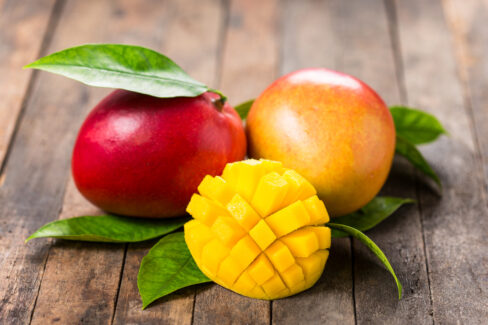
Mangoes are one of those exotic treats that we’re lucky enough to find in the grocery store all year round. Because they’re so tropical and juicy, a lot of people assume they’re part of the citrus family. But is that actually true? Let’s dive into why that’s a bit of a myth and what makes this fruit so unique.
Botany 101: Is a Mango Actually Citrus?
Believe it or not, calling a mango a citrus fruit is a total mistake! Botanically speaking, a mango is actually a stone fruit (or drupe), just like peaches or cherries. The giveaway is that big, hard pit right in the center. Citrus fruits, on the other hand, don’t have a central stone and store their essential oils in their rinds.
Another big difference? Citrus fruits stop ripening the moment they’re picked. Mangoes are “climacteric,” which is just a fancy way of saying they keep getting sweeter and softer on your counter after they leave the tree. So, while lemons, limes, and oranges are definitely citrus, the mango is in a league of its own.
The Magic of Mango Oil
That big pit in the middle isn’t just a nuisance when you’re slicing—it’s actually packed with high-quality oil! Because it has a very mild flavor and is super moisturizing, mango oil (often called mango butter) is a superstar in both the kitchen and the bathroom cabinet. You’ll often find it in:
- Lip balms
- Moisturizing lotions
- Chocolate (to give it that smooth melt!)
- Margarine
- Shampoos and conditioners
How to Store Your Mango
Whether it’s citrus or not, one thing is for sure: mangoes love the heat. When it comes to proper storage, keep them out of the fridge! Cold temperatures are actually the enemy here; if a mango gets too chilly, it’ll stop ripening and develop brown spots on the inside.
Just leave them on your kitchen counter at room temperature. Interestingly, while they hate the fridge, they handle the freezer just fine! If you have too many, just peel, dice, and freeze them. They’re perfect for smoothies or adding a tropical kick to a warm curry later on.
Tips for Ripening a Mango at Home
If the mango were a citrus fruit, we’d be stuck with whatever ripeness level we bought at the store. Luckily, you can easily ripen a mango at home. If you picked one up that’s still a little hard, try wrapping it in newspaper or placing it in a paper bag.
Want to speed things up even more? Toss an apple in the bag with it! Apples release ethylene gas, which acts like a natural ripening booster for nearby fruit. Just keep a close eye on it—there’s a fine line between perfectly juicy and overripe!