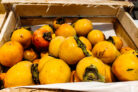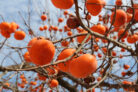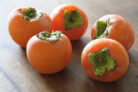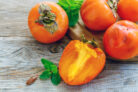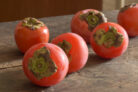
Persimmons are often compared to citrus fruits, but honestly, they don’t have much in common at all! The botanical name for the Japanese persimmon is *Diospyros kaki*, which translates to “divine pear” or “fruit of the gods.” You might also know its close relatives: the American persimmon and the Sharon fruit.
Persimmons Aren’t Citrus Fruits
Both persimmon and citrus trees originally hail from Asia, and luckily for us, they’re available in grocery stores almost year-round. From a distance, you might mistake a bright orange persimmon for an orange or a tangerine because of that vibrant color, but once you get a closer look, the similarities pretty much end there.
Popular citrus fruits include:
- Mandarines
- Oranges
- Lemons
- Grapefruits
- Limes
Persimmon Trees vs. Citrus Plants
The persimmon tree is actually part of the ebony family, while citrus plants belong to the rue family (*Rutaceae*).
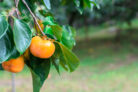
There’s a big difference in how they grow, too. Citrus trees are evergreen, but persimmon trees are deciduous, meaning they drop their leaves in the fall. Plus, citrus plants can be a bit finicky—they’re often prone to pests and diseases and need a lot of TLC to produce a good harvest. Persimmon trees, on the other hand, are much more robust and low-maintenance.
Both types of plants love a tropical or subtropical climate to ripen their fruit. Because they aren’t fully winter-hardy, gardeners in cooler regions usually have the best luck growing them in large pots or containers that can be moved indoors.
Persimmons vs. Citrus Fruits
One major difference is how they ripen. Citrus fruits are non-climacteric, which is a fancy way of saying they stop ripening the moment they’re picked. However, if you harvest a persimmon while it’s still a bit green, you can let it finish ripening on your counter until it’s perfectly sweet.
Ripe persimmons have a delicious, honey-like sweetness. If you ever bite into one and get that bitter, “fuzzy” feeling on your tongue, that’s just the tannins—a sure sign the fruit wasn’t quite ripe yet!
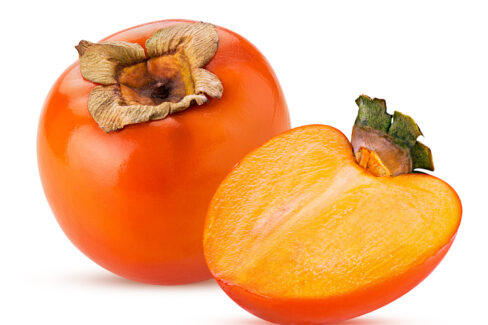
The best part? You can eat the whole fruit. There’s no thick rind to peel or seeds to spit out. If you slice a persimmon crosswise, you’ll see a beautiful star-shaped pattern in the flesh. Just keep in mind that they are high in natural sugars, with a nutritional profile similar to grapes.
When shopping, try to find fruits that are already soft and ripe for the best flavor—they’re also much easier to peel that way. Just remember that ripe persimmons don’t stay fresh for long, so it’s best to keep them in the fridge.
Citrus fruits generally have less sugar and are famous for their massive dose of Vitamin C. They’re also a bit heartier and can hang out on your kitchen counter for quite a while.
Pro Tip
Did you know the heartwood of a persimmon tree is actually ebony? It’s dense, heavy, and naturally black. It’s actually one of the most valuable and sought-after types of wood in the world!