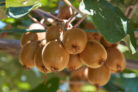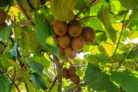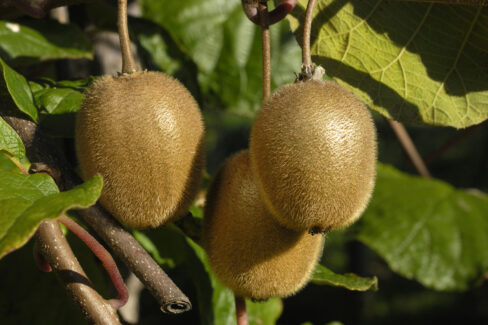
Originally from Asia and often called the “Chinese Gooseberry,” the kiwi is technically a berry. Believe it or not, lemons and oranges fall into that same botanical category too! Because of that signature zingy flavor, people often lump the kiwi into the “citrus fruit” subcategory—but is that actually right?
“Kiwis are Citrus Fruits” – Debunking the Myth
Even though a kiwi actually packs way more Vitamin C than a lemon, it isn’t botanically a citrus fruit. Still, the rumor persists! This confusion usually comes down to two things: that massive Vitamin C boost and that slightly tart, acidic flavor many varieties have.
It also doesn’t help that kiwi vines and citrus trees like limes and grapefruits are often neighbors in the garden. Both love a subtropical, warm climate in a sunny spot with plenty of water. Because they share so many “personality traits” with their sour cousins, it’s easy to see why people get them mixed up.
For the record, the true citrus family includes:
- Lemons
- Oranges
- Limes
- Mandarins
- Grapefruits
- Kumquats
The Real Differences Between Kiwis and Citrus
The main thing that defines a citrus fruit is the high concentration of citric acid, which gives them that unmistakable aromatic, sour punch. While kiwis are definitely refreshing and have a bit of acid, it’s nowhere near the levels found in true citrus. That’s why kiwis—along with figs and pomegranates—are classified as subtropical fruits, but not citrus plants.
There are some big differences in how they grow, too. While neither plant is a fan of a brutal winter, citrus trees are much more finicky than the hardy kiwi. Citrus plants are prone to diseases and pests if they get too cold, whereas some kiwi varieties are actually bred to be frost-hardy. While your deciduous kiwi vine might handle a chill, citrus trees are evergreens that absolutely must be kept frost-free during the winter.
Harvesting is another giveaway. Unlike lemons or limes, kiwis are usually picked while they’re still firm and unripe. Letting them ripen on the counter is a standard part of the process, whereas citrus fruits don’t really “after-ripen” once they’re off the tree. Finally, there’s the taste: citrus relies almost entirely on acidity for its flavor profile, while kiwis (depending on the variety) develop a much higher natural sugar content as they soften up.