By Robert Chen|Published on September 3, 2022|Updated on January 23, 2025
Knapweeds have been a staple in European gardens since the early Middle Ages, and for good reason! Adding these varieties to your yard isn’t just about getting a splash of gorgeous color—they bring a ton of other benefits to your landscape too.
[[plants]]
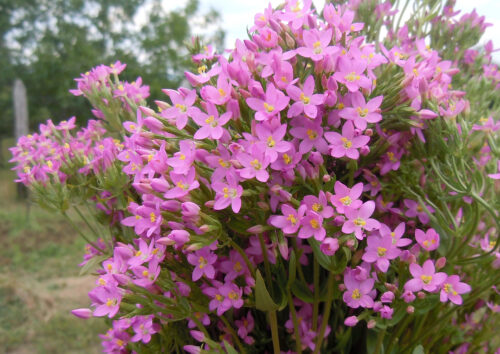
++Great Masterwort (Centaurea centaurium)
According to ancient legends, this plant was used to heal a wound on Achilles’ foot, earning it a reputation for having special healing powers. But even if you aren’t looking for a mythical remedy, you’ll love its stunning blooms. It’s a fantastic choice for a wildflower meadow or a structured garden bed. Just pick a spot with the right light, and this low-maintenance beauty will pretty much take care of itself!
++Mountain Cornflower (Centaurea montana)
--500x333.jpg" alt="Mountain Cornflower" width="500" height="333" class="alignnone size-medium-large wp-image-40661" srcset="https://guterboden.de/wp-content/uploads/2022/09/Berg-Flockenblumen--500x333.jpg 500w, https://guterboden.de/wp-content/uploads/2022/09/Berg-Flockenblumen--300x200.jpg 300w, https://guterboden.de/wp-content/uploads/2022/09/Berg-Flockenblumen--1024x683.jpg 1024w, https://guterboden.de/wp-content/uploads/2022/09/Berg-Flockenblumen--768x512.jpg 768w, https://guterboden.de/wp-content/uploads/2022/09/Berg-Flockenblumen--1536x1024.jpg 1536w, https://guterboden.de/wp-content/uploads/2022/09/Berg-Flockenblumen--2048x1365.jpg 2048w, https://guterboden.de/wp-content/uploads/2022/09/Berg-Flockenblumen--488x325.jpg 488w, https://guterboden.de/wp-content/uploads/2022/09/Berg-Flockenblumen--308x205.jpg 308w, https://guterboden.de/wp-content/uploads/2022/09/Berg-Flockenblumen--234x156.jpg 234w, https://guterboden.de/wp-content/uploads/2022/09/Berg-Flockenblumen--138x92.jpg 138w, https://guterboden.de/wp-content/uploads/2022/09/Berg-Flockenblumen--350x233.jpg 350w" sizes="(max-width: 500px) 100vw, 500px" /> Mountain Cornflowers are tough cookies that even grow in high-altitude regions. While they’re actually a protected species in the wild now, they make a vibrant addition to any home garden. You’ll see those brilliant colors popping from May through July. They play well with others, too—they have a unique look that stands out without being so aggressive that they crowd out your other plants. Reaching about 15 inches tall, they’re the perfect height for a mid-border display.
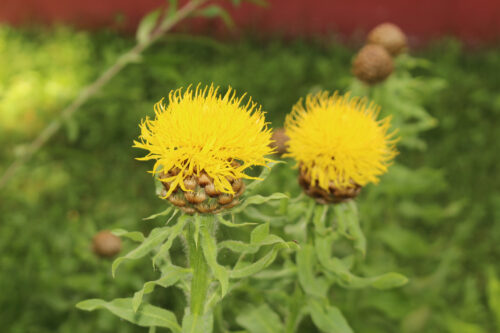
++Giant Knapweed (Centaurea macrocephala)
If you’re looking for some serious height, the Giant Knapweed is your best bet. These big guys can grow anywhere from 2 to 5 feet tall! They bloom in July and August, giving your garden a bold burst of yellow right in the heat of summer. Just make sure to plant them in a sunny spot where they can soak up all the light and warmth they need to reach their full potential.
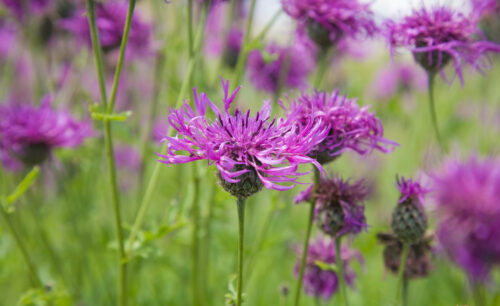
++Lesser Knapweed (Centaurea nigra)
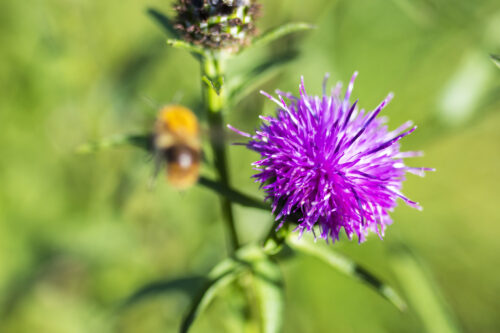
The Lesser Knapweed (sometimes called Black Knapweed) is a classic variety that you’ll see all over. It usually grows between 8 and 30 inches tall and shows off its signature thistle-like blooms from July through September. It’s a very “set it and forget it” kind of plant—give it plenty of sunlight, and it’ll happily spread out. It’s a great, reliable filler for any sunny flower bed.
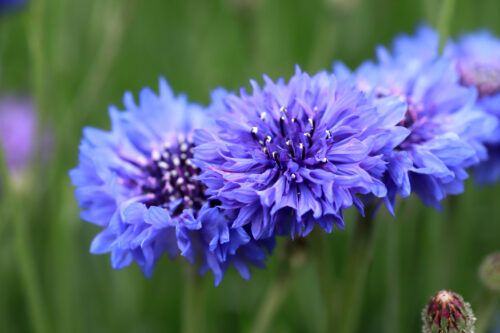
++Cornflower (Centaurea cyanus)
Who doesn’t love that iconic “Cornflower Blue”? Even though they’re super popular in bouquets, they aren’t as common in the wild as they used to be. By planting Cornflowers in your own yard, you’re actually helping out local biodiversity! You don’t need a green thumb for these, either—they’re so easy to grow that they’re a perfect project to do with the kids.
++Brown Knapweed (Centaurea jacea)
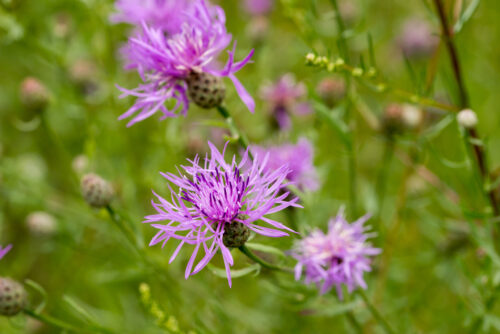
The Brown Knapweed is a fan favorite for anyone who loves a natural, “wild” look. It has a wonderful rustic charm that fits perfectly in a cottage garden or a meadow-style landscape. While it originally hails from the Caucasus region, it’s very happy in our climate. Just give it a sunny spot with normal, well-draining soil, and it’ll be good to go.
++ Greater Knapweed (Centaurea scabiosa)
Greater Knapweed is a hardy, herbaceous plant that loves to spread. Interestingly, it gets a little help from its friends—ants actually help distribute the seeds, allowing the plant to pop up in new spots across your garden! Because it has a very tough taproot, it handles winter like a champ. Once you get these established, there’s a great chance they’ll come back stronger every spring.