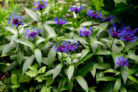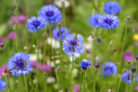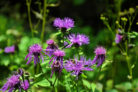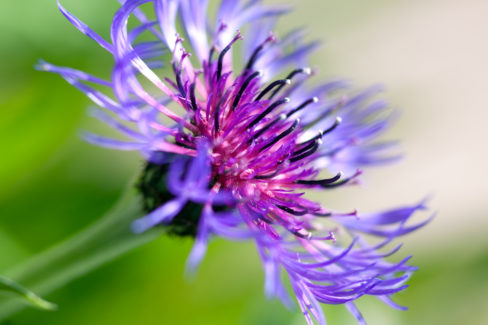
Just like the “farm-to-table” movement in our kitchens, the gardening world is seeing a huge shift toward native plants. More and more gardeners are ditching the exotic imports in favor of hardy, local species. One plant that’s really benefiting from this comeback is the Mountain Cornflower (also known as Perennial Bachelor’s Button).
Quick Facts:
- Scientific Name: Centaurea montana
- Plant Family: Asteraceae (the Daisy family)
- Growth Habit: Herbaceous perennial
- Height: Usually between 8 and 16 inches
- Bloom Time: May through July
- Colors: Blue, white, or violet
- Flower Shape: Fringed or “shaggy” petals
The Perfect Spot
When you’re looking for a place to tuck your Mountain Cornflower into the garden, aim for somewhere with full sun to partial shade. As far as the soil goes, these beauties love a well-draining mix—think sandy but with a bit of loamy texture. They also appreciate a nutrient-rich environment. Pro tip: mix in some well-aged compost before planting to give them the best possible start!
Where to Use It
The Mountain Cornflower is a superstar in naturalistic or “wild” garden designs. It looks right at home in cottage gardens or mixed in with other native wildflowers. Since it’s happy in partial shade, it’s also a fantastic choice for planting along the edges of wooded areas or under taller shrubs.
A Little History
As the name suggests, the Mountain Cornflower originally hails from the mountain ranges of Europe. You can find it growing naturally at altitudes of over 6,500 feet! Because of its alpine roots, this plant is incredibly tough and winter-hardy, easily surviving temperatures as low as -40°F.
Care and Maintenance
One of the best things about the Mountain Cornflower? It’s super low-maintenance. Generally, it doesn’t even need pruning. If you’ve enriched your soil with compost, you don’t strictly need to fertilize, though a little extra boost can help encourage more blooms. The main thing to remember is to watch your watering—they like to stay hydrated, but they hate “wet feet” (standing water).
Cool Varieties to Look For
While the classic blue is stunning, there are some unique cultivars that will really make your neighbors stop and stare:
- “Jordy”: Features deep purple, almost black flowers.
- “Alba”: Just like the name implies, this one produces crisp, bright white blooms.
- “Carnea”: Beautiful soft pink flowers that actually have a subtle peach scent!