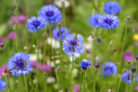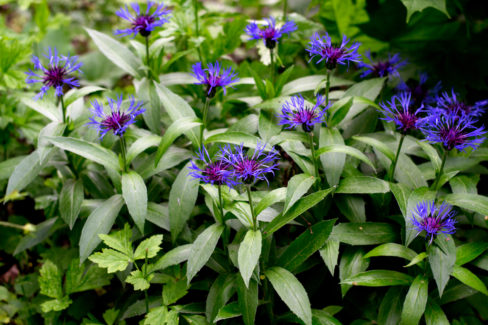
The Centaurea genus is a massive family with about 500 different species. You’re probably already familiar with the classic annual cornflower, but let me introduce you to its tough, perennial cousin: the Mountain Cornflower (or Perennial Bachelor’s Button). This hardy garden staple loves the sun and isn’t shy about spreading out, so you’ll want to keep an eye on its territory and thin it out every now and then to keep it from taking over.
What Does the Mountain Cornflower Look Like?
This herbaceous perennial usually stands between 12 and 24 inches tall and belongs to the aster family. It features beautiful lance-shaped leaves with a distinct silvery-gray tint. From May all the way through October, you can find these beauties blooming in shades of white, yellow, rose, pink, violet, or deep blue. If you’re a fan of this look, you might also like some of its close relatives, such as:
- Blessed Thistle
- Star Thistle
- Giant Knapweed
- Meadow Knapweed
The Best Spot and Soil for Your Plants
To get the most out of your Mountain Cornflower, plant it in full sun or light partial shade (like under the edge of some trees). Just keep in mind: the more sun it gets, the more flowers you’ll see! When it comes to soil, this plant isn’t a diva. It thrives in loose, loamy, or sandy soil that’s rich in nutrients and organic matter—basically, your standard healthy garden soil will do just fine. It’s also pretty flexible with pH, handling slightly limey or acidic dirt without a fuss. The goal is to keep the soil consistently moist but never soggy. If your garden tends to run a bit wet, definitely pick a sunny spot so the extra moisture can evaporate.
One thing the Mountain Cornflower absolutely hates is “wet feet” (standing water). This leads to root rot, which is a death sentence for the plant. If your soil is heavy, try adding some drainage—like broken pottery shards or gravel—at the bottom of the planting hole. This is especially important if you’re growing them in containers; make sure those pots have great drainage holes so your plants can breathe!
Planting and Care Tips
You can sow Mountain Cornflower seeds in the spring once the soil is nice and loose. I recommend picking a spot where they have plenty of room to roam. If you’re starting with established nursery plants, space them about 15 inches apart to give them breathing room.
The best part? These are incredibly low-maintenance. Just keep the soil lightly moist and give the dirt a quick hoeing every once in a while to keep it loose. A little organic fertilizer or a scoop of compost in the spring and fall is all the food they need. Once they start blooming, be sure to “deadhead” (remove the wilted flowers) regularly. This encourages the plant to put its energy into fresh new blooms rather than seeds. Finally, giving the plant a good trim in the fall will help prevent it from self-seeding all over your yard next year!