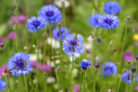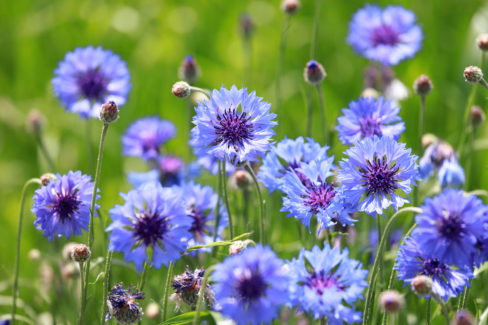
When they’re in full bloom, the vibrant blue of cornflowers is honestly hard to beat. But these beauties aren’t just eye candy; by adding cornflowers to your garden, you’re doing a huge favor for our struggling pollinators like bees, bumblebees, and butterflies. Ready to get some in the ground? Here’s how to do it right.
Finding the Perfect Spot
While cornflowers are pretty low-maintenance once they get going, they are a bit picky about their location. Since they originally hail from the sunny Mediterranean, they crave plenty of daily sunshine to really thrive. Make sure you pick the sunniest spot in your yard when you’re getting ready to plant or sow your seeds.
Keep the Soil Lean
Here’s a fun fact: while cornflowers love a lot of light, they actually prefer “lean” soil. In other words, don’t go overboard with the fertilizer! They do best in nutrient-poor soil. Also, cornflowers are not fans of “wet feet” (standing water), so if your soil is heavy, try mixing in some sand. This hits two birds with one stone: it improves drainage and naturally lowers the nutrient density. Generally, sandy or loamy soils that drain well are your best bet.
Sowing Seeds in Your Garden
The easiest way to get cornflowers started is by direct sowing. You can head out to the garden starting in April, as long as daytime temperatures are hitting at least 55°F (12°C) to trigger germination. Here’s the game plan:
- Scatter the seeds over your chosen sunny spot.
- Cover them with just a very thin layer of soil—cornflowers are “light germinators,” meaning they need a bit of sun to wake up!
- Give them a gentle watering and keep the soil consistently moist (but not soaked).
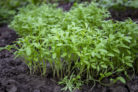
If you’re feeling eager, you can also start them indoors in March. The big perk there? Once you transplant them outside in May, they’ll usually start blooming much earlier in the season!