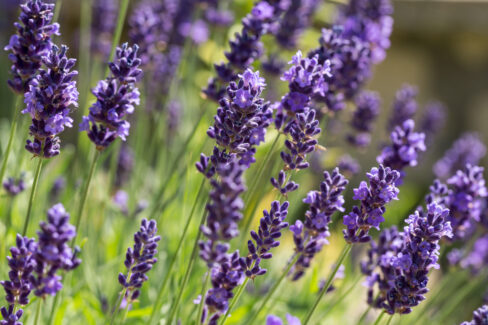
When aphids decide to move into your garden, they can really wreak havoc, and getting rid of them often feels like a full-time job. But before you reach for those harsh chemical sprays, I’ve got some good news: you can actually show these pests the exit using natural methods. Today, let’s talk about how to put lavender to work as your garden’s secret weapon.
How Lavender Acts as a Natural Shield
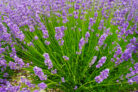
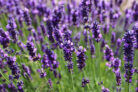
Not all plants are created equal when it comes to attracting (or repelling) aphids. These little pests are particularly annoyed by plants that produce strong essential oils. Generally speaking, the more fragrant your lavender is, the better it works at scaring off intruders. In fact, if you choose a variety that doesn’t have a strong scent, you might find that the aphids actually settle on the lavender itself!
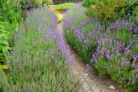
To keep your garden aphid-free, you want to focus on the aromatic varieties. Of course, keeping your plants healthy with the right care and the perfect sunny spot is key. The happier the plant, the more of those fragrant oils it will produce.
French lavender (Lavandula stoechas) is a fantastic choice for this. It’s great for repelling aphids and several other common garden pests. Simply plant it near the more “vulnerable” flowers or veggies you want to protect, and let the scent do the heavy lifting.
How to Treat an Existing Aphid Problem
If the aphids have already set up camp, don’t panic—you can still use lavender to fight back. You can whip up a homemade spray using dried lavender flowers. Just take two handfuls of blossoms, add them to a liter of water (about a quart), and let it simmer on the stove for at least an hour.
Here’s your quick DIY lavender spray recipe:
- Add two handfuls of lavender flowers to one liter of water.
- Bring to a boil and let it simmer for at least an hour.
- Let it cool completely and strain out the flowers.
- Spray the mixture directly onto the affected plants.
Once your “lavender tea” has cooled and you’ve strained out the spent blooms, pour the liquid into a spray bottle. Mist your infested plants thoroughly and repeat the process for a few days until the pests are gone. You can even use the lavender water when you’re regular watering to help boost the plant’s defenses. It’s a simple, eco-friendly way to send those aphids packing!