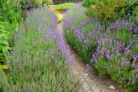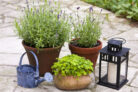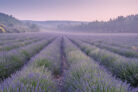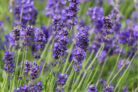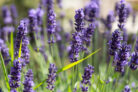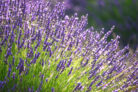
Lavender is a perennial, which means it can stick around for a long time. But here’s the catch: if you want this woody subshrub to thrive for years to come, you’ve got to give it a little TLC. In this post, I’ll walk you through how to keep your lavender happy and exactly how many years of beauty you can expect from your plants.
Location and Care are Everything
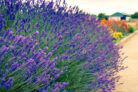
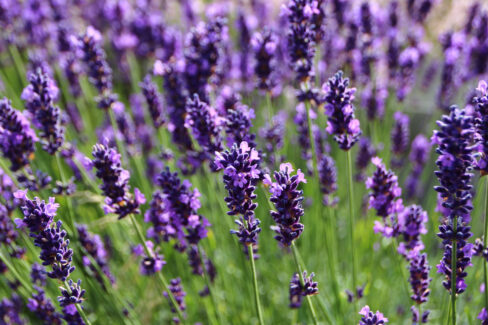
Lavender is technically a subshrub, growing in a low, bushy habit close to the ground. When you treat it right, it’ll reward you with fresh new growth every season. During bloom time, those stems will fill your garden with that iconic purple hue and that relaxing, aromatic scent we all love. A well-maintained lavender plant usually lives for about 10 years, but don’t be surprised if you see some old-timers reaching 25 years or more!
To ensure your lavender stays perennial and keeps blooming year after year, there are two big things to keep in mind. First, you have to prune it regularly and at the right time. This prevents the lavender from becoming too “woody” or leggy. Once those stems turn into old wood, they won’t produce new flowers anymore, so you want to stay ahead of it. Second, picking the right spot in your yard is non-negotiable for long-term growth.
How to prune your perennial lavender:
- Use clean, sharp garden shears or a hand sickle.
- Prune once a year right after the flowering season.
- Make sure to finish your trimming no later than early August.
The Perfect Spot and Proper Maintenance
Lavender is a sun-worshipper and loves a dry, sunny location. It actually prefers “lean” soil—meaning soil that isn’t too rich—with a bit of sand mixed in. If you nail these conditions, your lavender will happily sprout new growth every year. Just be careful not to overwater! Lavender hates “wet feet” (standing water), which can quickly lead to root rot. Because it has long taproots that reach deep into the earth for moisture, it much prefers staying on the dry side.
Also, take it easy on the fertilizer. If your lavender is planted in the ground, once or twice a year is plenty. Avoid high-nitrogen fertilizers at all costs; they can cause the plant to grow lots of leaves but absolutely zero flowers.