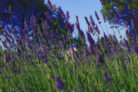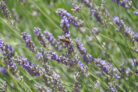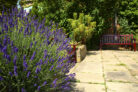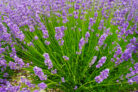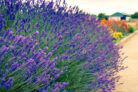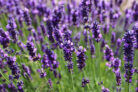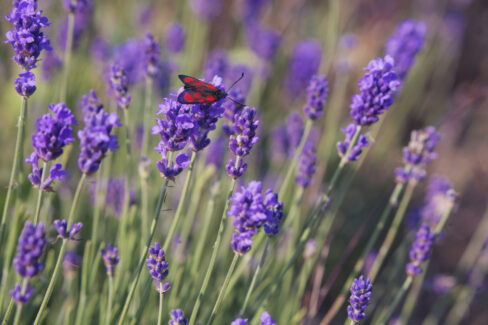
Lavender is a total lifesaver for bumblebees and honeybees, but here’s the best part: while we love that relaxing aroma, wasps and other pesky bugs can’t stand it! If you’re looking to add some purple flair to your yard while keeping the “uninvited guests” away, here is everything you need to know about the magic of lavender.
The Good Guys: Pollinators Love Lavender
By planting lavender in your garden, you’re basically opening up a five-star buffet for beneficial insects. Butterflies love to stop by and rest on the stalks, and you’ll almost always see bumblebees and honeybees buzzing happily around the blooms. It’s a fantastic food source for them, which is why so many eco-conscious gardeners consider lavender a “must-have” for a pollinator-friendly backyard.
Even city planners are getting in on the action! You’ll often see lavender planted in urban medians and downtown green spaces. Not only do the blooms provide a much-needed snack for bees, but they also look absolutely stunning. But while the “good guys” are drawn to that signature scent, other insects have a very different reaction.
The Party Crashers: Keeping Wasps and Mosquitoes at Bay
While wasps are usually hunting for something sweet, the intense, herbal scent of lavender actually acts as a natural deterrent. Many types of mosquitoes also steer clear of areas where that fragrance is strong. Think of planting lavender as a polite way of telling these pests they aren’t on the guest list! While it won’t clear out your entire yard, they’ll definitely think twice about hanging out right next to your plants.
Where to plant your lavender:
- In garden beds
- In pots on the patio
- In balcony containers
- In window boxes
If your main goal is pest control, keep a few things in mind. You’ll want to choose varieties that produce lots of flowers with a punchy fragrance—English Lavender (Lavandula angustifolia) is usually your best bet here. You can plant them directly in the ground where you hang out most, or keep a few potted plants handy. That way, you can move them right onto the table when you’re dining al fresco to keep the bugs from ruining your meal!