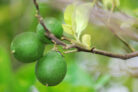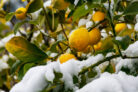
At first glance, limes and lemons might just look like green and yellow versions of each other, but there’s a lot more going on under the peel than you might think! While they share some DNA, these two citrus favorites have distinct personalities when it comes to flavor, kitchen use, and how to keep the plants happy in your garden.
Citrus Fruits
Both limes and lemons belong to the *Rutaceae* (rue) family. While we talk about them as totally different fruits, botanically speaking, they are all members of the *Citrus* genus.
When we talk about limes, we’re actually looking at a pretty diverse group. Here are the main types you’ll run into:
- Key Lime (Citrus ×aurantiifolia)
- Persian or Bearss Lime (Citrus ×aurantiifolia, Syn.: Citrus latifolia)
- Kaffir/Makrut Lime (Citrus hystrix)
- Rangpur Lime (Citrus ×jambhiri)
You might also stumble upon some unique regional varieties if you’re traveling—like some of the cool finger limes from Australia—but those aren’t usually what you’ll find at your local grocery store.
Flavor Profiles
This is where things get interesting! The biggest difference between the two is the taste. A lemon is going to be tart and acidic no matter when you pick it. A lime, on the other hand, actually develops a hint of sweetness when it’s fully ripe. Most people find limes to be more aromatic and “zesty” than lemons. Because of this, gardeners and cooks often debate whether to reach for a lime or a lemon for a specific recipe.
If you’re whipping up a Caribbean feast or an Oriental-inspired dish, the aromatic punch of a lime is usually the way to go. Here in the West, we tend to use lemons more often because their flavor is a bit more neutral, making them a versatile “all-rounder” for everything from tea to roasted chicken.
One thing to keep in mind is shelf life. Lemons are champions at staying fresh for a long time. Limes? Not so much—they tend to dry out faster. However, if you have a bumper crop, there are ways to make your limes last longer, like freezing the juice or zest, though that works better for cooking than for garnishing a drink.
Plant Care
If you’re thinking about growing your own, you’ll find that both plants have similar needs. Both lemons and limes need a cozy, protected spot to spend the winter. They absolutely cannot handle frost! During the colder months, they enter a dormant phase, and it’s totally normal for your lime tree to drop its leaves if it gets a bit stressed or chilly. Just keep them in a frost-free spot, and they’ll be ready to bounce back when the sun returns!